I could never imagine a home without indoor flowering plants. It’s a family trait – just a crazy desire to make all the windowsills full of all kinds of green bushes. Although I am more fond of blooming indoor plants, it doesn’t matter when and what kind of buds they have. The main thing is to admire the gradually unfolding flowers. Whether they are white, red or yellow is not important to me and is there any point in looking for a leader? Each plant is unique and beautiful in its own way, and, you know, a flowering bush is no less attractive than a bouquet. No matter how gorgeous, it will stand in a vase and wither in a few days. And a flower in a pot will please not one year.
I think you have already realised that today we will not discuss how to grow or care for a particular plant. I just want to offer you a small selection of indoor flowers, but not just decorative-looking, but exactly blooming. I will not deny, deciduous crops are also no less spectacular. But they do not have this elegance, which gives the plant just flowering. I thought for a long time how exactly to group and present my favourite flowers. And I decided to divide them by the shape of the plant itself and roots, as well as by the peculiarities of flowering. I will be glad if this will help you to choose your “green pet” or understand where to start your search.
Bulb plants – leaders among large-flowered house plants
Among those plants that I had the opportunity to grow or just at least see, the largest flowers were in this category. Instead of a rhizome, bulb flowers have a round or elongated bulb with small roots at the base. After flowering is over, they need a dormant period to recover.
Image by ViktoriyaPavlova from pixabay.com
Of the bulbs that are grown in a pot, these flowers have the most beautiful blooms and the largest buds:
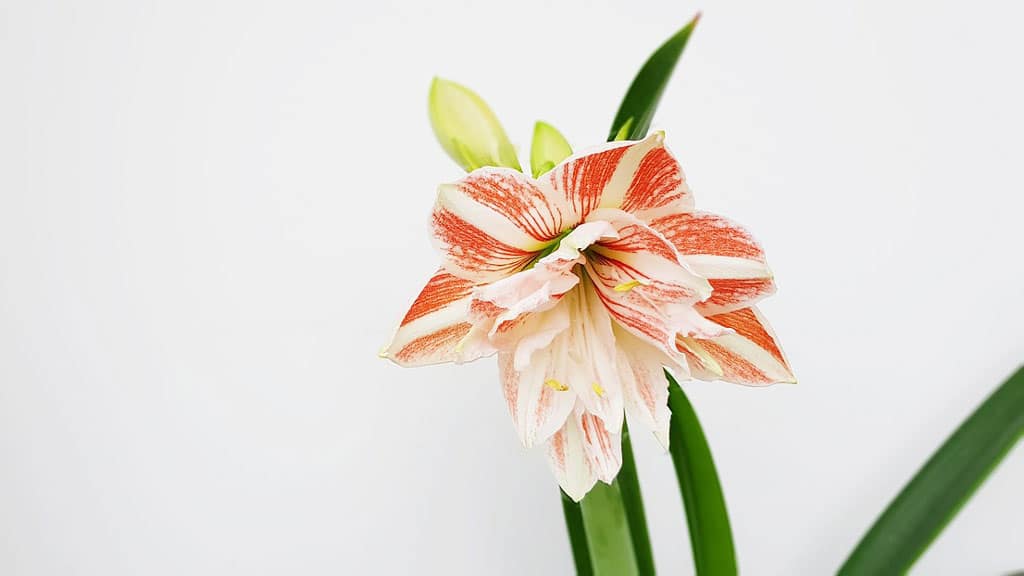
Hippeastrum. It blooms in late winter or spring, has a rounded bulb from which it produces a tall, hollow peduncle. At the top are 4-6 large funnel-shaped flowers. Each flower can exceed 20cm across and lasts for about a week. I have only red hippeastrums, but there are also white, pink, orange and even terry varieties.
Amaryllis. A close relative of the hippeastrum, very similar to it, but with a pear-shaped bulb. Amaryllis also has a dense, not empty peduncle, formed even before the appearance of leaves in autumn. And in the inflorescence there are twice as many flowers. The colouring is different, but also in white, pink or red tones.
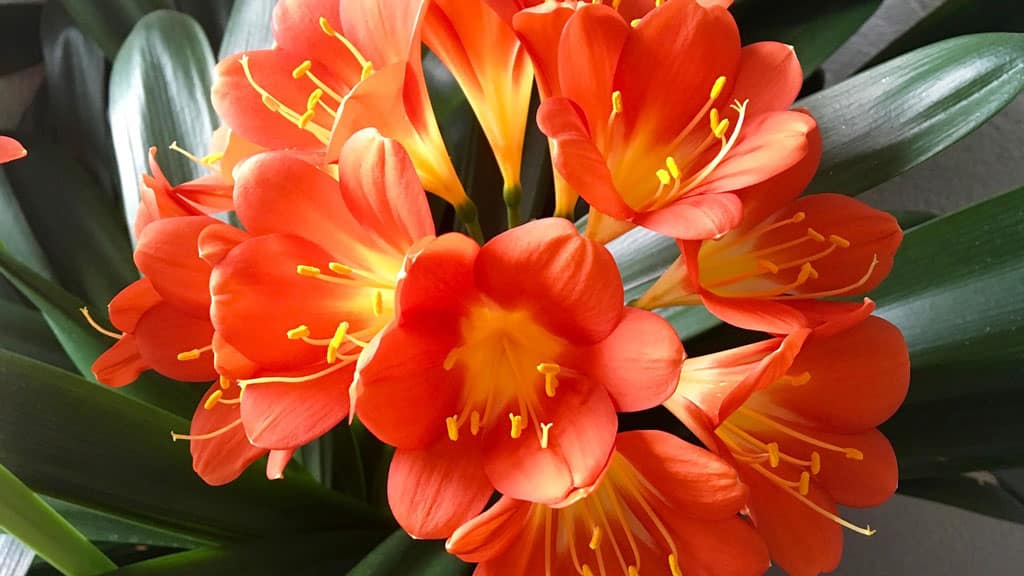
Clivia. All the same Amaryllis family as the first two plants. Attracts with its unusual fan-shaped leaf arrangement and huge umbrella-like inflorescence of 10 red-orange buds.
Image by zrenate from pixabay.com
All bulbs are very sensitive to overwatering. They must not be flooded, otherwise the succulent bulb will rot quickly.
Representatives of bulbs with small flowers
Image by npdien from pixabay.com
No less beautiful look and small inflorescences in a rosette of narrow leaves:
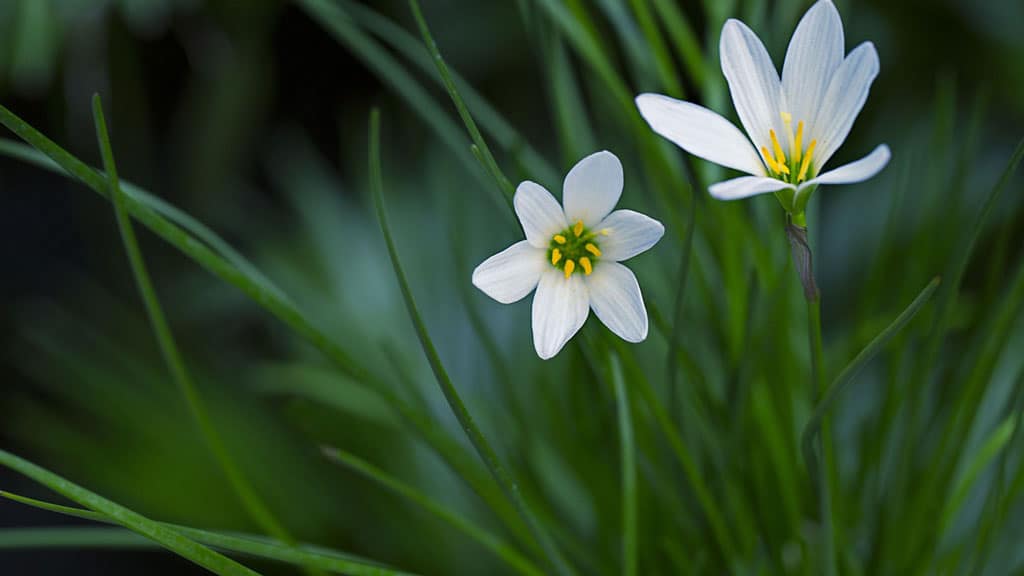
Zephyranthes, called “pop-up” for the fact that it takes only a day for the flower stalk to go from sprouting to budding. Its leaves are very thin, resembling the feathers of an onion. The flowers look like small lilies or stars of white or pink colour.
Nerine is a bit like hyacinth, except that its flowers are gathered in small umbrellas of several pieces. Flowering begins simultaneously with the blossoming of the linear leaves in early autumn.
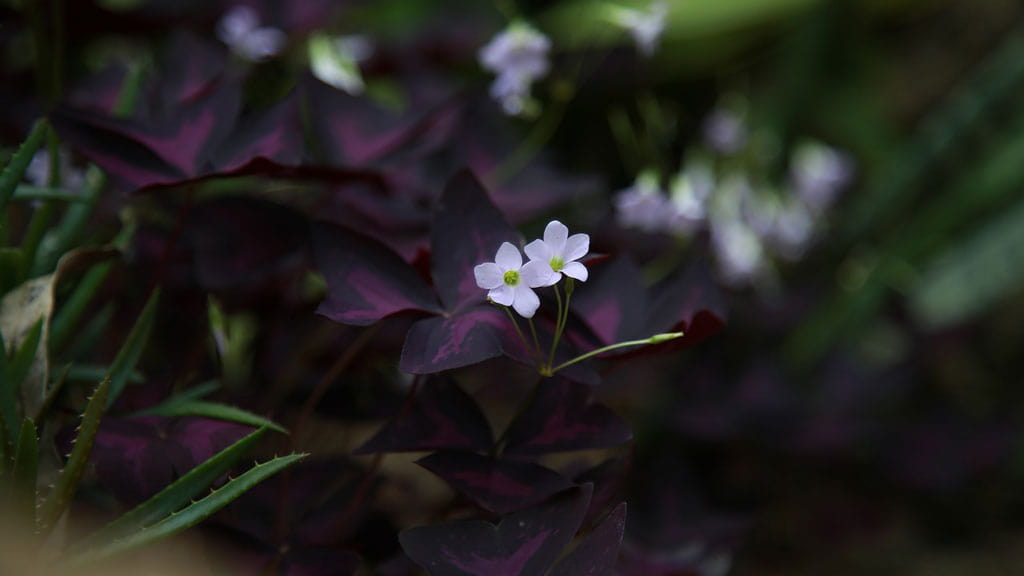
Oxalis or soursop will surprise you with the unusual shape of triangular leaves and very delicate flowers. They can be white or pink, and the flowering itself lasts from late spring until winter.
Image by pieonane from pixabay.com
In order for sagebrush to bloom again next season, it needs a dormant period in winter. This must necessarily take place in cooler temperatures.
Flowering vines are the perfect creepers for room design
Image by Nancy Pauwels from shutterstock.com
Plants with curly and wicker shoots provide a wide range of choices for their placement. It can be a hanging cachepot with dangling branches adorned with brightly coloured buds. A thicket of twigs directed along a stretched support can help to cover an empty wall. Ladders or special posts braided with vines are no less spectacular.
Image by ziodino from pixabay.com
Among the flowering lianas that can be grown at home, I like the most:
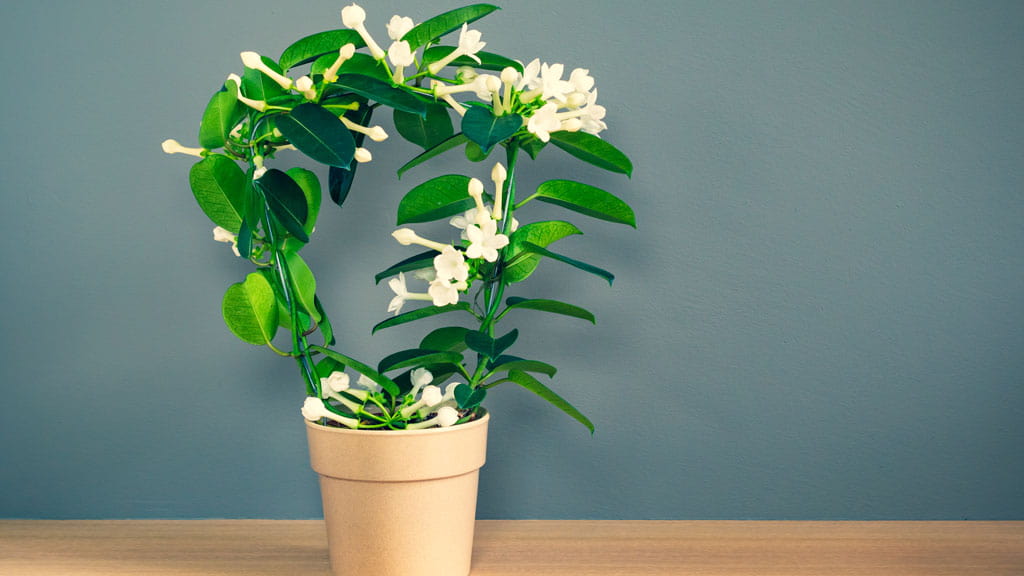
Stephanotis or Madagascar jasmine. The flowers are small, mostly white, bunched up in bunches of about 6 pieces. But they emit a rich, bright odour, which may seem too sweet and heavy. The liana itself grows up to 5 m, covered with dense oval leaves.
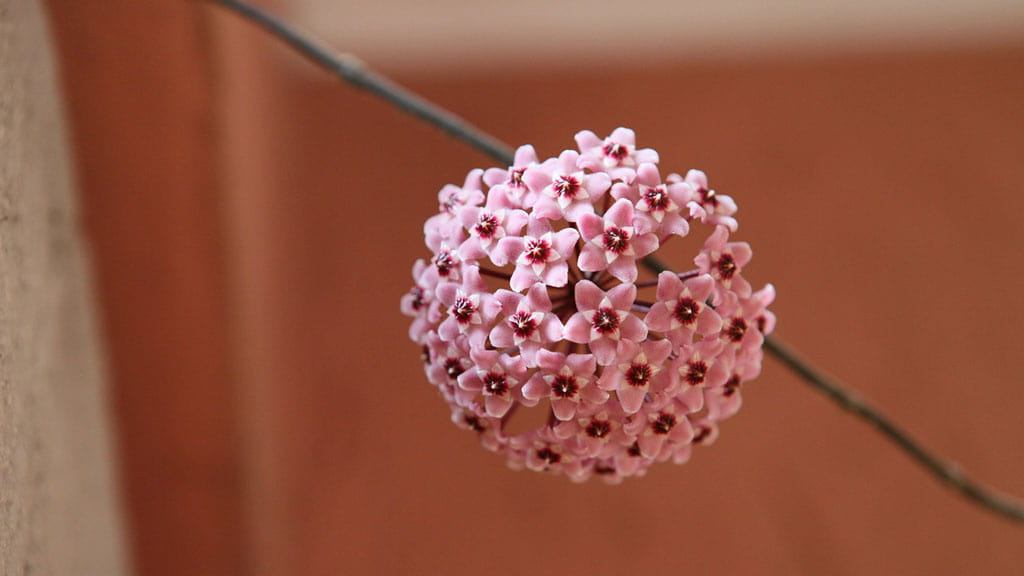
Hoya. Its shoots are a little shorter than those of jasmine, and the florets are also smaller, but of an original shape. They look like white stars with burgundy-coloured petal bases.
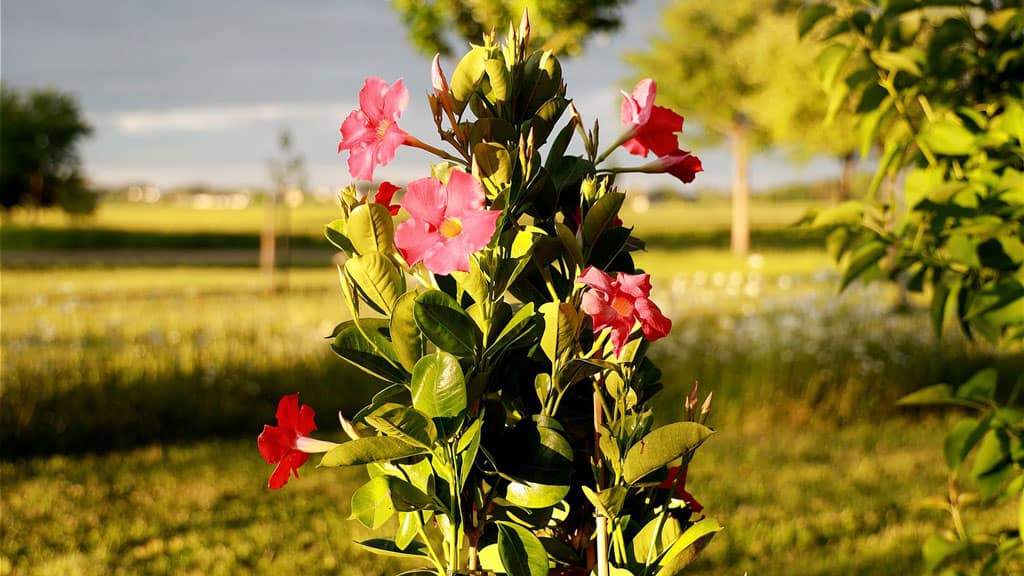
Dipladenia. Another fragrant liana, but with a slight pleasant odour. The leaves are glossy green. Brightly coloured buds look flashy and spectacular, especially the rich red shades, last up to 2 weeks.
Ampelnaya begonia. It blooms for a very long time, from spring until October, with flowers of various shapes and colours. They are clustered in graceful, lush clusters hanging between the lush foliage.
Image by WFranz from pixabay.com
With pruning, you can correct the shape of the vines. If you want a long branch, braid it around a support, and for tillering, pinch off the top shoots.
Long and abundantly flowering indoor plants
Image by Stanislav71 from shutterstock.com
I think it is no exaggeration to say that such crops are especially loved by flower growers. Just imagine that on your windows will be a flowering “bed” almost all year round.
Even in winter, when there is a blizzard outside your windows, bright florets will add warm memories of summer to your cosiness.
Image by sunflair from pixabay.com
Not only long-lasting, but also abundant blooms will please:
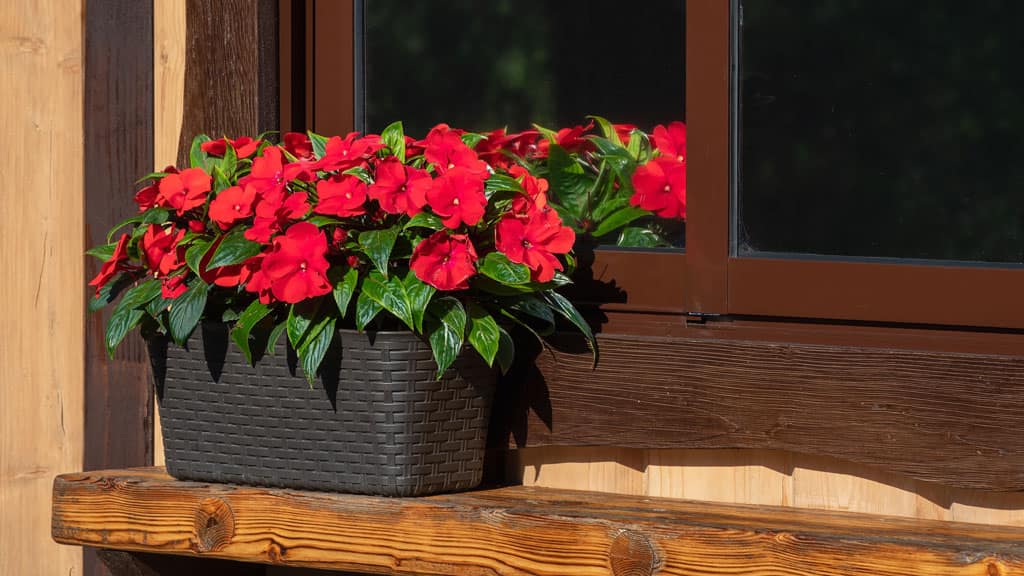
Balsamines. From the end of spring to the end of winter, tender bushes with succulent shoots are studded with a multitude of flowers. Although they are quite fastidious: they do not like heat, quickly fade from lack of moisture. And it is desirable to renew bushes every 2 years, cutting to maintain the quality of flowering.
Pelargoniums or geraniums. Let them be called “grandmother’s calachikas”, but this still does not detract from the beauty, especially in hybrid royal forms. All kinds of colour, different shapes of leaves and buds that bloom almost all year round in the house. And in summer, bushes can be planted in the flowerbed, and then the flowering is even more abundant.
Violets. These small rosettes with fuzz-covered leaves can bloom even under artificial light. That’s why it’s no longer uncommon to see violets in winter.
Spathiphyllum. If the bush released an unusual peduncle with a cob wrapped in a snow-white blanket, then it will stand for a long time. And with good care, a lush bush blooms several times a season. Although at the end of autumn Spathiphyllum should be given a rest.
Image by JACLOU-DL from pixabay.com
Fantastic exotics on windowsills
Image by MadeSurya from shutterstock.com
To conclude this small selection of flowering houseplants, I would like to finish with something unusual. Cultures that are not very “domestic”, as they grow either in natural conditions or in a climate opposite to ours. But that hasn’t stopped me from growing them as potted plants, because our homes are always comfortable and warm.
Image by Oliver Hoffmann from shutterstock.com
Among the unusual exotic flowers that have successfully adapted and delight with original blooms, I have three leaders:
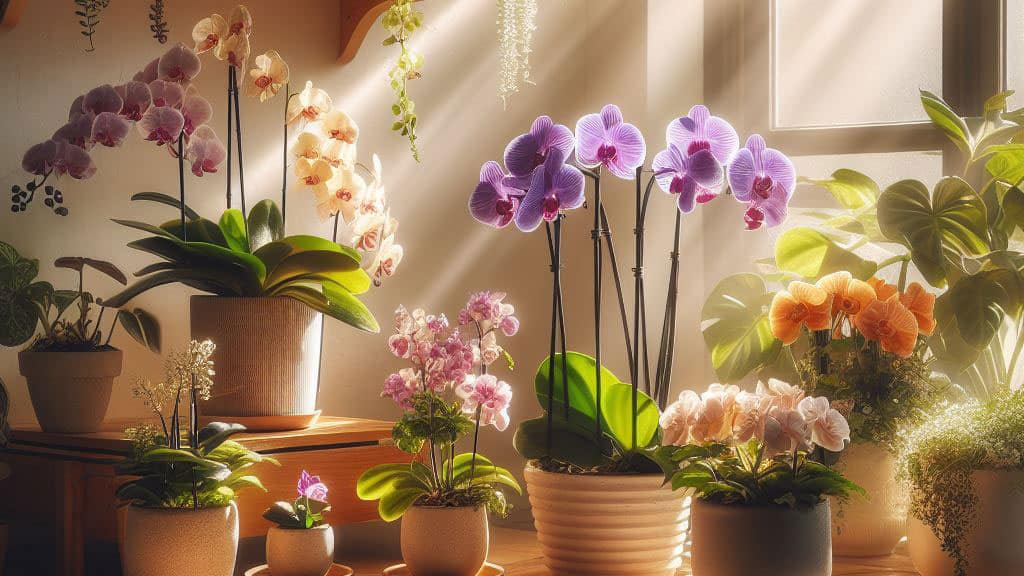
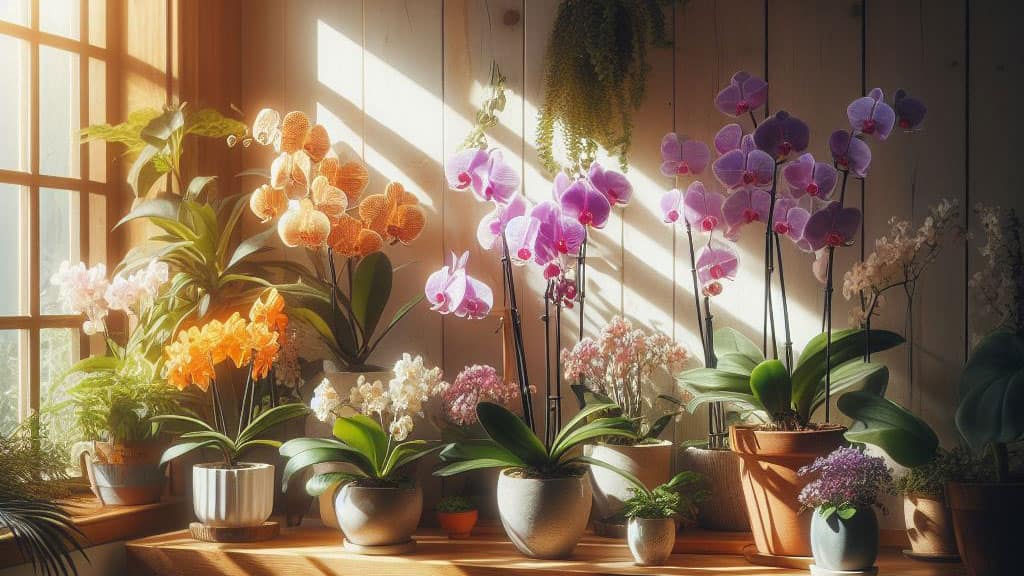
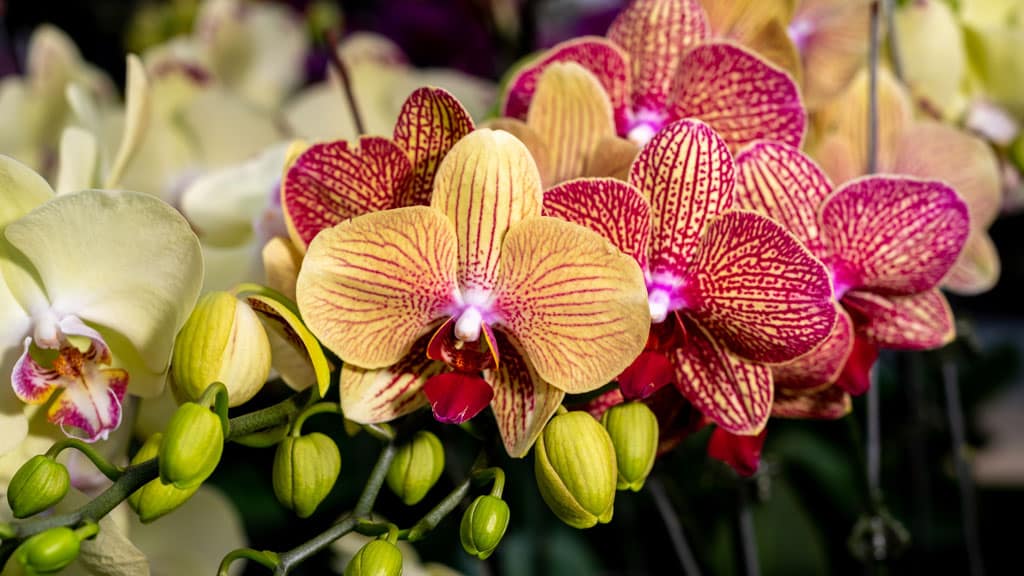
Phalaenopsis. Perhaps the most beautiful epiphyte plant, which, in addition, blooms for a very long time. My orchid last year released one flower stalk after another without interruption, even in winter. True, then rested for more than six months, but I am ready to wait to see these gorgeous bunches again.
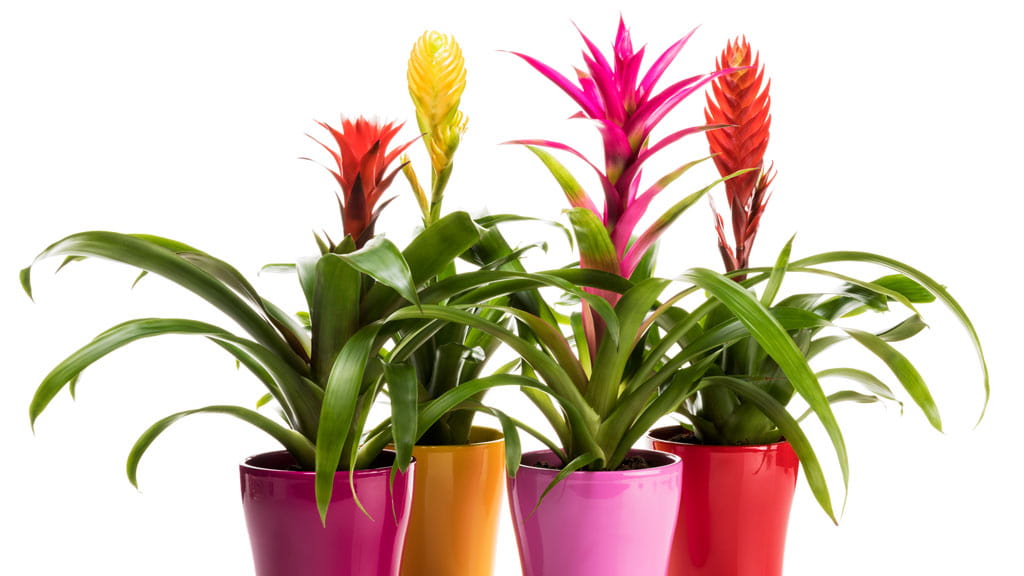
Vriesia. Another original epiphyte with a dense rosette of leathery leaves. The flower stalk emerges from its centre, resembles a spike and does not fade for several months.
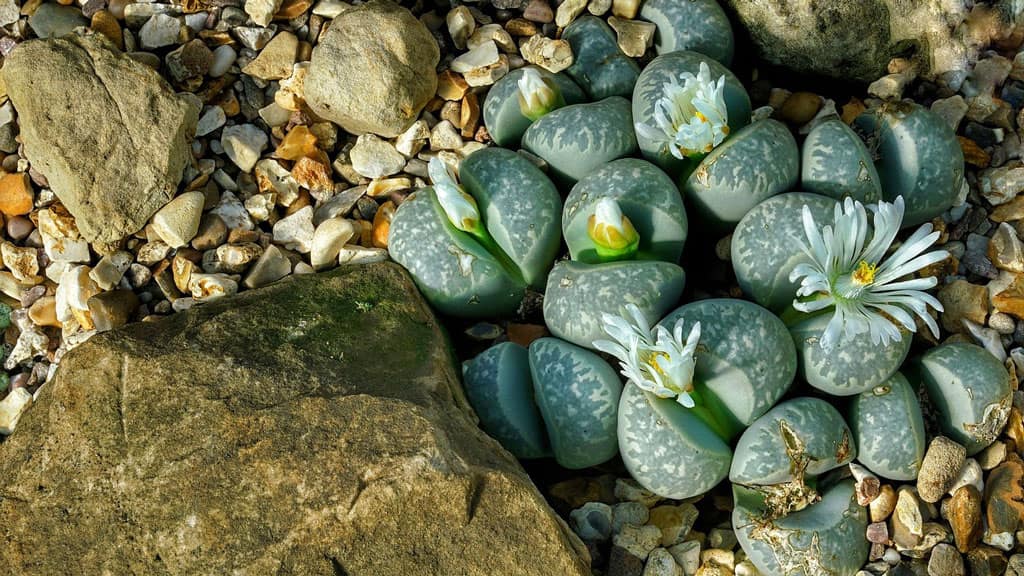
Lithops. I can not consider these flowering live pebbles “normal”, because they look completely non-standard. Indeed, lithops resemble a smooth pebble rather than a living plant. And when they bloom with brightly coloured small flowers, it’s a fantastic sight.
Image by RichardMc from pixabay.com
These are not all indoor flowers that bloom beautiful, long-lasting or unusual. It is possible to list a very long time, but I hope that even this small selection has aroused your interest and desire to get at least one species.
Post Views:6
Anna Smith
Anna Smith is a valued member of team, where she seamlessly blends her passion for home ideas and her love of writing. She is an eclectic writer and design enthusiast originally from sunny California. At the age of ten, she moved with her family to the picturesque landscapes of Croatia. From a young age, Anna dreamt of a career in journalism, with aspirations of writing captivating stories and sharing her insights with the world. However, life had different plans for her. It was her love for transforming living spaces, renovating old furniture, and crafting exceptional interior details that steered her towards a career in home design. Anna's creativity knows no bounds, and she is renowned for her ability to combine modern aesthetics with vintage charm. Her design philosophy is all about breathing new life into old items, making every corner of a house a unique and stylish reflection of the homeowner's personality.