Cutting boards are an indispensable tool in every kitchen. Their design, material, and features can significantly influence your cooking experience. With many options available, how do you determine the best fit for your culinary needs? This guide dives deep into cutting boards, helping you make an informed decision.
Every kitchen boasts at least one cutting board. These essential tools come in various materials, sizes, shapes, and designs. Their primary function is to provide a sturdy surface for all your chopping needs, from vegetables to bread.
Diverse Types of Cutting Boards
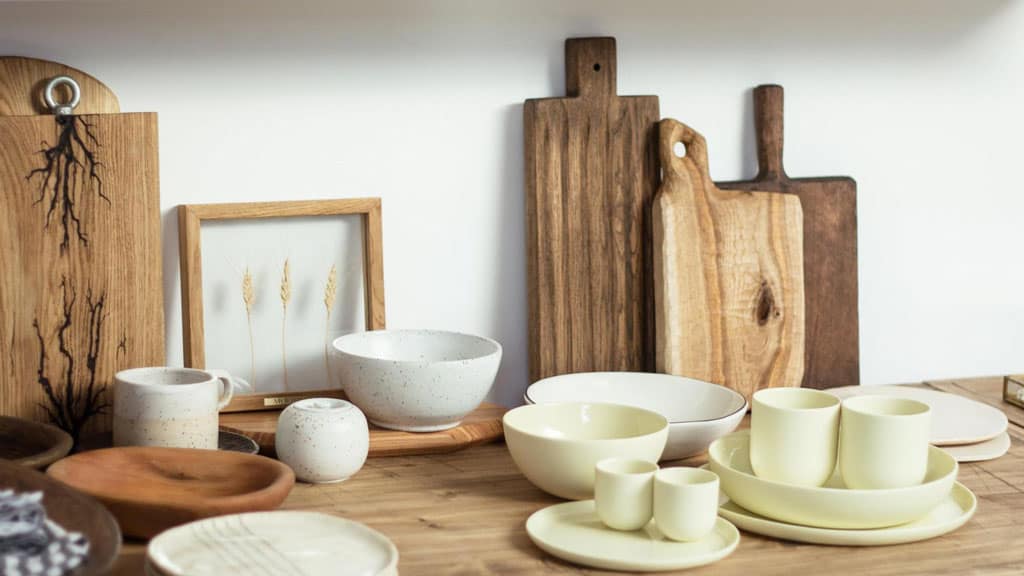
Image by Laura The Explaura from pexels.com
Carving Boards: These boards feature a juice trough around their perimeter, capturing the juices from meats and juicy fruits, ensuring a mess-free countertop.
Bread Boards: Specifically designed for bread, these elongated boards efficiently collect crumbs, preventing a messy aftermath.
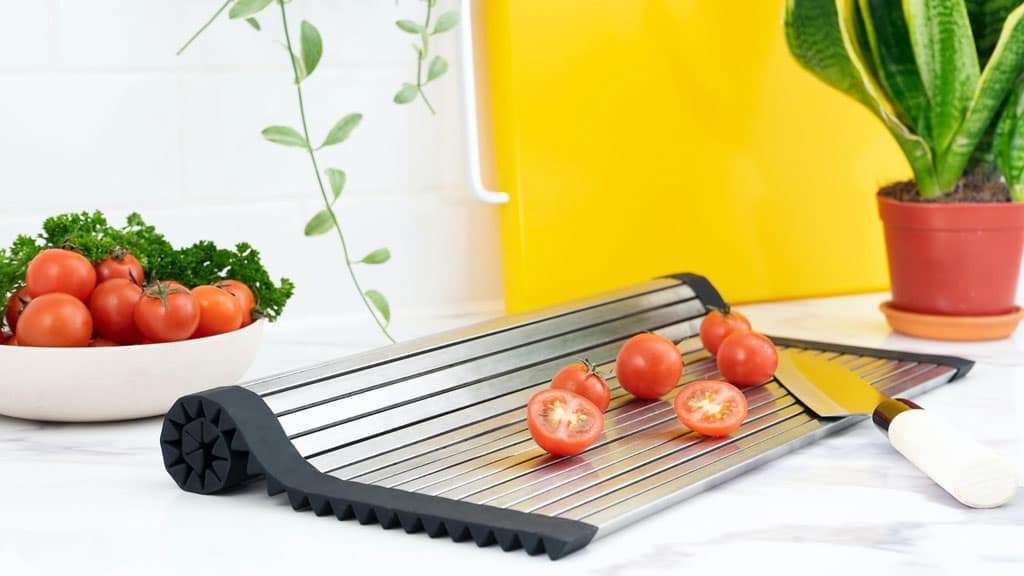
Flexible Mats: Ideal for transferring chopped ingredients, these mats can be rolled into a funnel, ensuring a spill-free transfer.
Butcher Blocks: Heavier and thicker than regular cutting boards, they’re perfect for heavy-duty meat chopping.
Materials Matter
The material of a cutting board can influence its longevity, hygiene, and effect on your knives.
Bamboo Boards: Bamboo stands out as an eco-friendly alternative to traditional wood. Revered by environmentalists, bamboo is sustainable and doesn’t require chemicals for growth or harvesting. These boards are less absorbent than their wooden counterparts, making them more sanitary. They’re hard yet gentle on knives, with natural antibacterial and antimicrobial properties. To ensure the board’s longevity, it’s essential to clean, dry, and oil bamboo boards regularly.
Wooden Boards: A timeless classic, wooden boards are aesthetically pleasing and knife-friendly. They’re crafted from various woods, including royal mahogany, white oak, cherry, walnut, and maple. While they’re porous and can harbor bacteria, proper maintenance can mitigate this. Regular cleaning, drying, and oiling are crucial. These boards are ideal for slicing vegetables, bread, and herbs.
End Grain Wood: Constructed by gluing multiple board ends together, end grain boards are gentle on knives, allowing them to slide between the vertical wood fibers. They’re typically thicker and more expensive due to the labor-intensive production process.
Edge Grain Wood: These boards consist of side-facing strips glued together. They strike a balance between durability and affordability. However, they can be slightly harder on knife edges compared to end grain boards.
Plastic Boards: Widely popular plastic boards made from polyethylene are easy to clean and come in various colors. However, they can dull knives faster than wood or bamboo and might show wear over time. Opt for high-quality, food-safe plastic to avoid potential health hazards.
Image by Angus Chang from pexels.com
Glass Boards: Aesthetically pleasing, glass boards are nonporous and easy to clean. However, they can quickly dull knives and can be slippery. They’re best used for serving rather than chopping.
Composite Boards: Made from a blend of materials, including recycled wood, paper, or resin, composite boards are durable but can be tough on knives. They’re eco-friendly, especially when made from recycled materials.
Marble and Granite: While these stone boards are undeniably stylish, they can be harsh on knives. They’re best suited for decorative purposes, like serving cheese or rolling dough.
Silicone Boards: Silicone boards offer flexibility, making ingredient transfer a breeze. They’re gentle on knives and have a non-slip surface, ensuring safety during use.
Stoneware: While stoneware boards are visually appealing, they could be better for chopping due to their brittleness. They’re better suited as serving trays or cheese platters.
Exploring the Shapes of Cutting Boards
Cutting boards, while functional, can also be a statement piece in your kitchen. Their shapes not only cater to different culinary needs but also look trendy and convenient.
Rectangle: The most common and versatile shape, rectangular boards offer ample space for all your shopping needs. Some even come with rounded corners for a softer aesthetic and added safety.
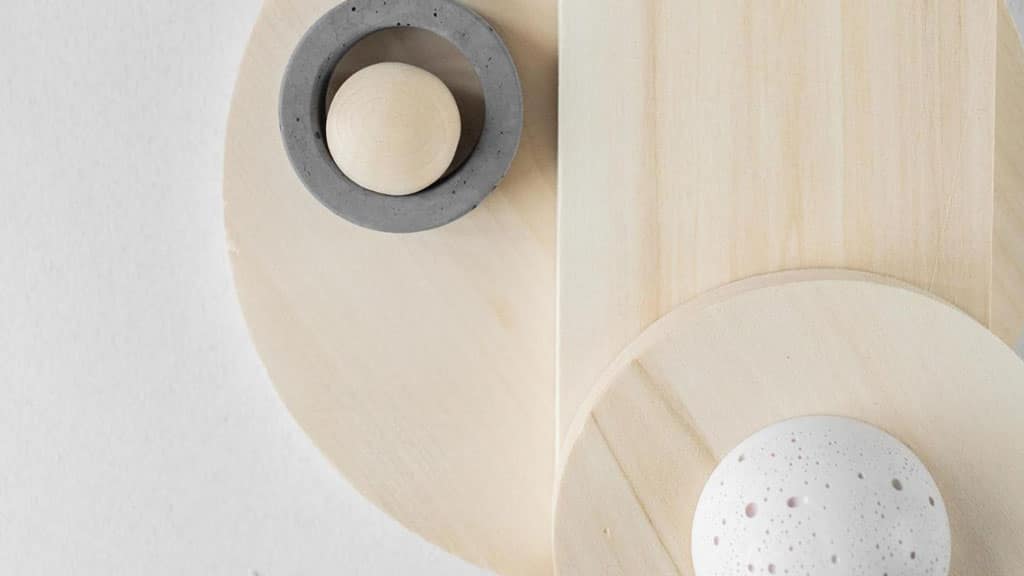
Round: While round boards are visually appealing, they might not be the most spacious for extensive chopping. However, they’re perfect for serving and presentation purposes.
Image by EKATERINA BOLOVTSOVA from pexels.com
Square: Square boards can be a stylish addition to your kitchen, but their limited length might pose challenges for slicing long ingredients.
Novelty: These are the fun ones! From state outlines to animal shapes, novelty boards are more about personal expression than functionality. They’re great as decor or serving boards.
Half-Circle: Designed to snug against a wall or stove edge, these boards provide a stable surface. The curved edge also offers ergonomic support for your wrists during prolonged chopping sessions.
Distinguishing Features of Cutting Boards
Cutting boards are not just flat wooden or plastic pieces. They come equipped with features that can elevate your cooking experience.
Reversible: These boards are designed for dual use. Whether cutting veggies or presenting cheese, both sides are up for the task.
Non-Slip: Safety first! Non-slip boards ensure stability, reducing the risk of accidents when using sharp knives.
Juice Groove: For those juicy tomatoes or steaks, a juice groove captures the excess liquid, keeping your countertops clean.
Dishwasher-Safe: For the busy chef, a dishwasher-safe board can be a time-saver. Just pop it in the dishwasher for a thorough clean.
Knife-Included: Some boards come with a matching knife, ensuring you have the right tool for the job and a cohesive look in your kitchen.
Personalized: Add a personal touch with a custom design, name, or phrase. It’s a thoughtful gift idea for housewarmings or anniversaries.
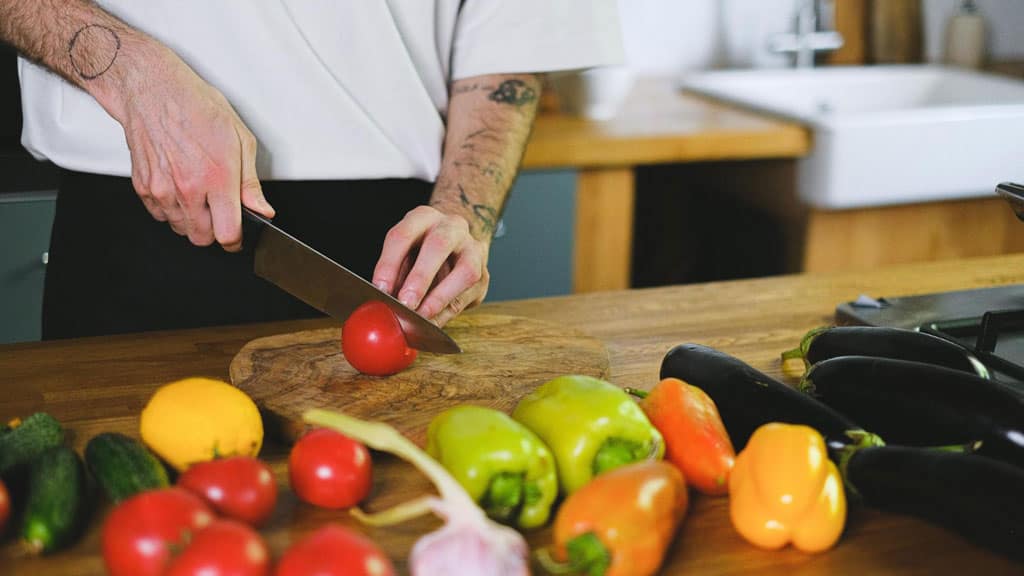
Image by Kristina Snowasp from pexels.com
Handles: Boards with handles are easy to move around, especially when transferring chopped ingredients or serving guests.
Color-Coded: To avoid cross-contamination, color-coded sets help you designate specific boards for meats, veggies, and other food types.
Set Varieties: A set of boards in different sizes ensures you have the right board for every task, from mincing garlic to carving a turkey.
Over-the-Sink: These boards fit over your sink, allowing for easy disposal of scraps and efficient food transfer.
Over-the-Edge: Featuring a lip on one end, these boards stay securely in place, ensuring a safe and stable chopping experience.
Image by Anna Shvets from pexels.com
Closing Remarks
Choosing the right cutting board is crucial for a seamless cooking experience. Whether you prioritize aesthetics, functionality, or hygiene, there’s a board tailored to your needs. Remember to consider your cooking habits, maintain your board well, and replace it when signs of wear appear. Happy chopping!
Post Views:0
Anna Smith
Anna Smith is a valued member of team, where she seamlessly blends her passion for home ideas and her love of writing. She is an eclectic writer and design enthusiast originally from sunny California. At the age of ten, she moved with her family to the picturesque landscapes of Croatia. From a young age, Anna dreamt of a career in journalism, with aspirations of writing captivating stories and sharing her insights with the world. However, life had different plans for her. It was her love for transforming living spaces, renovating old furniture, and crafting exceptional interior details that steered her towards a career in home design. Anna's creativity knows no bounds, and she is renowned for her ability to combine modern aesthetics with vintage charm. Her design philosophy is all about breathing new life into old items, making every corner of a house a unique and stylish reflection of the homeowner's personality.