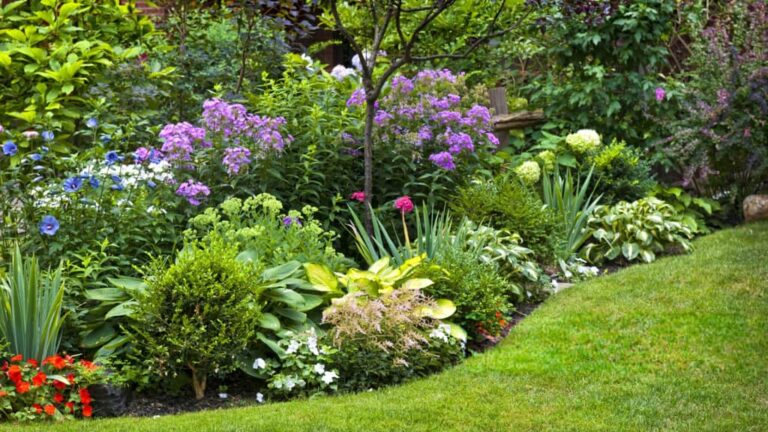

Working with plants is known to have a beneficial effect on the physical and psychological well-being of a person. The garden itself tends to give its life-giving energy to whoever comes in contact with it. It has been proven that planting flowers and other plants accelerates the process of recovery of people. That is why horticultural therapy is actively used in European hospitals, nursing homes and rehabilitation centres. One of them is the specialised neurosurgical and neurological rehabilitation clinic HELIOS Klinik Holthausen, Germany (HELIOS Klinik Holthausen), which has a horticultural therapy department.
Many patients of Andreas Niepel, head of the garden therapy department, can no longer walk, stand or speak. Others have problems with memory and conscious perception. Then there are those who are very distrustful of everything that is covered by the word “therapy”.
These very sensitive patients are first brought to a long table by the window at the entrance to the greenhouse. There is no need to explain anything to them for a long time, because everything goes without saying: the plants have to be planted in the ground, the soil has to be poured into the pot. All the green stuff should be on top, the roots at the bottom. “The planting process is the best thing about gardening,” says Andreas Nippel. The positive results of garden therapy are immediately visible. For example, Mrs N., who used to spend all her time in her room, immersed in her own thoughts, is now planting seedlings in the prepared soil in a leisurely and concentrated manner. Next to her stands Mr P., who in his confusion confuses the cupboard with the toilet room, now carefully and conscientiously removes the wilted leaves of the pelargoniums. And Mr S., who, on admission, crossed his arms over his chest as a sign of refusal, is now planting lavender at such a pace that the gardener exclaims with feigned despair: “Not so fast, he’s running out of potting soil.”
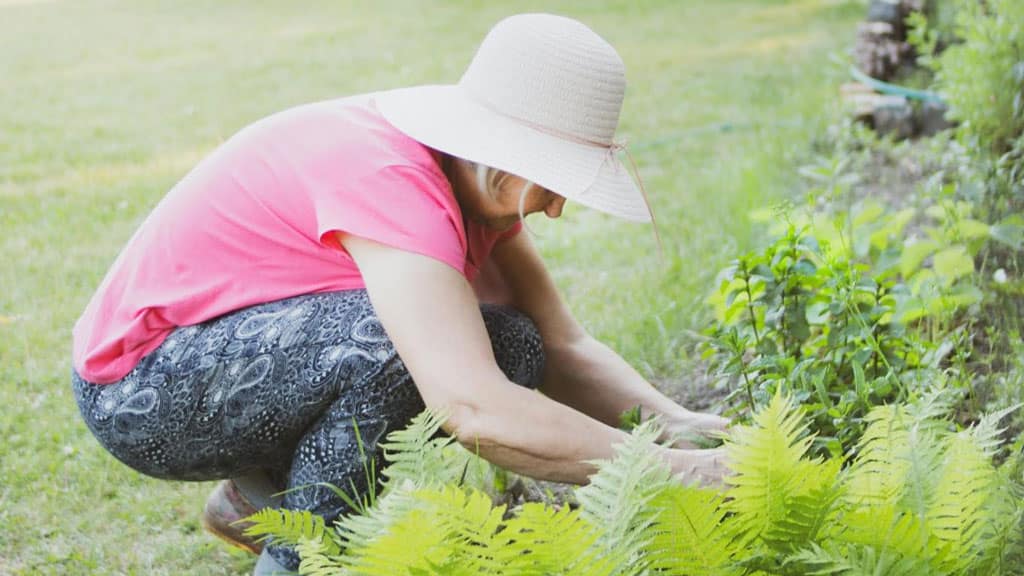
It’s actually not that easy to figure out what the term “garden therapy” actually means, and what changes happen to a person when they engage in plant therapy. Since the people who study the therapeutic effects of gardens are characterised by a kind of enthusiasm and at the same time caution. “We don’t work miracles here,” says Andreas Nippel. “And if a patient suddenly starts to speak or move better, you never know for sure whether the lavender planting activity has helped him or not. Gardening is just one element in a holistic treatment.”
There is no garden in the world that has the same effect on all people, no matter how well thought out and designed. Working in a garden is not only calming, but also has one very rare quality – it unlocks inner excitement. Andreas Nippel observes this in his garden every day. For example, patients with sensory loss in the right side of their body automatically move all flower pots to the left side. Others, when filling a pot with soil, shake it all the time, as it is very difficult for them to stop. Doctors call this “inertia syndrome”. Patients suffering from apraxia – the inability to make purposeful movements – stand helplessly in front of pots with earth. Of course, such disorders were not originally identified during gardening, but diagnosed during clinical examination. There are other disorders that are more hidden and complex. And it is often the garden that diagnoses them, which, first of all, is not part of the clinic, but a free space with its own laws.

The Hof Sondern Garden Therapy Unit is located near the city of Gattingen. Behind an earthen berm surrounding the clinic building, a garden with colourful flower and vegetable beds, a greenhouse and several sheds is spread over an area of about 3000 m2. The garden is not so much for contemplation as for work: a few lavender bushes are waiting to be pruned, and the strawberry beds are occupied by thistles. Sometimes the garden is overgrown, namely when the weather turns bad or patients are unable to work for health reasons. All the patients in the Hof Sondern garden therapy department at Helios Holthausen suffer from mental health problems and many of them have been in therapy for many years. Hof Sondern offers them care and rehabilitation – in workshops, in farm shops and in the garden. It is there that many of them make many surprising discoveries.

The close connection between people and plants has been known since the times of ancient Egypt. Even then, court physicians prescribed garden walks for those members of the pharaonic family who suffered from mental disorders. Also in the Middle Ages, medics used the “magic and charm of farming” to treat patients with mental disorders. From the late 18th century, gardens became an integral part of many mental hospitals in America and in Europe. Many superintendents of hospitals were pioneers in the development of humanitarian methods of treating mental patients. One such method was “occupational therapy” in the garden. During the Nazi regime in Germany, any reforms in psychiatry became irrelevant, and after the war, most specialists opted for the “modern” methods of the time: psychotropic drugs, shock therapy and systematic family therapy.

It was not until the 1980s that the healing properties of gardens were again being discussed in Europe. The interest was not only in the field of psychiatry and was orientated not so much towards a scientific as a practical approach: what should a garden be like for patients in need of constant care? What is the maximum height difference suitable for a garden adapted for wheelchair users? And how to use herbal aromas for therapeutic purposes.
A seemingly unattractive and rather modest 14,000 m2 garden in Radeberg, near Dresden, is a meeting place for hearing impaired blind people. The owner of the garden, Ruth Zacharias, a woman pastor, lost her sight at the age of ten. When she was to undertake the renovation of the house and garden 15 years ago, the plan was only to create a beautiful park – a free space where visitors could move around unaided, where they would regain their physical and mental strength. “Gardens for the blind,” says the pastor, “are often created by people who want to help the sick by showing their charity, but often they are not quite competent. They put up signs with Braille lettering, or plant shrubs in high beds so that the plants are within arm’s reach when standing. This is all well and good, but such gardeners do not realise the main point: a human being has eyes on every fingertip! The human nose can pick up over 10,000 scents!”

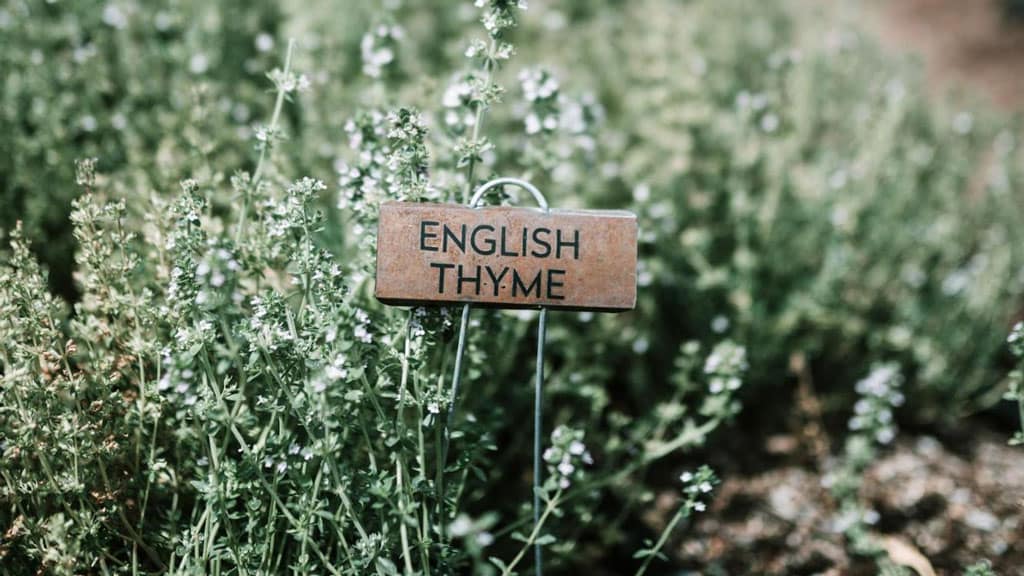
Ruth Zacharias has made sure that visitors to Villa Storchennest are able to take full advantage of their right to enjoy the beauty of the garden. To do this, she first developed an orientation system so that hearing-impaired blind people could move around the garden without assistance. Endless handrails with Braille symbols lead along the garden paths and from every corner of the garden back to the house. All plants are predominantly grown at a level that makes them easy to touch. Each plant is labelled with an inscription.
This strict order is what makes the garden recognisable. Over the years, Ruth has collected more than 1,300 species of plants in her garden, including flowers that smell only during the day or night, winter or summer, or plants with fragrant leaves, as well as those that emit their intense fragrance only when touched. The garden smells of cinnamon, frankincense, lemon, chamomile, resin, sometimes marzipan and chocolate. There are plants without odour, but with interesting leaf and surface textures.

The garden in Radeberg is a kind of garden of touch and fragrance. It is one of those gardens that demonstrate to sighted people how one-sided their perception of the world is. It is also a garden that provides a sense of fullness of life for people with limited abilities.