
Bamboo is an amazing plant. It is versatile in its uses, yet it grows very quickly – reaching maturity in just 4 years. Although the plant itself is perceived by many as a tree, it is actually a grass. The benefits of bamboo products are numerous, and it is its rapid growth that makes it so popular. It’s no wonder that there are so many ways to use this material. It is used for food, cosmetics, furniture and accessories. Let’s take a closer look at the role this unique plant plays in our daily lives.
1. Organic and chemical free. While pesticides and fertilizers are widely used to grow plants all over the world, this plant grows largely without the use of these substances. What’s more, it requires very little water during its growth, which also makes it very inexpensive to grow.
2. Environmental friendliness. Its fibers are completely biodegradable. In addition, the plant’s root system helps prevent soil erosion. It is also worth noting that bamboo farms absorb a lot of carbon. So by using bamboo, you are helping to reduce your carbon footprint.
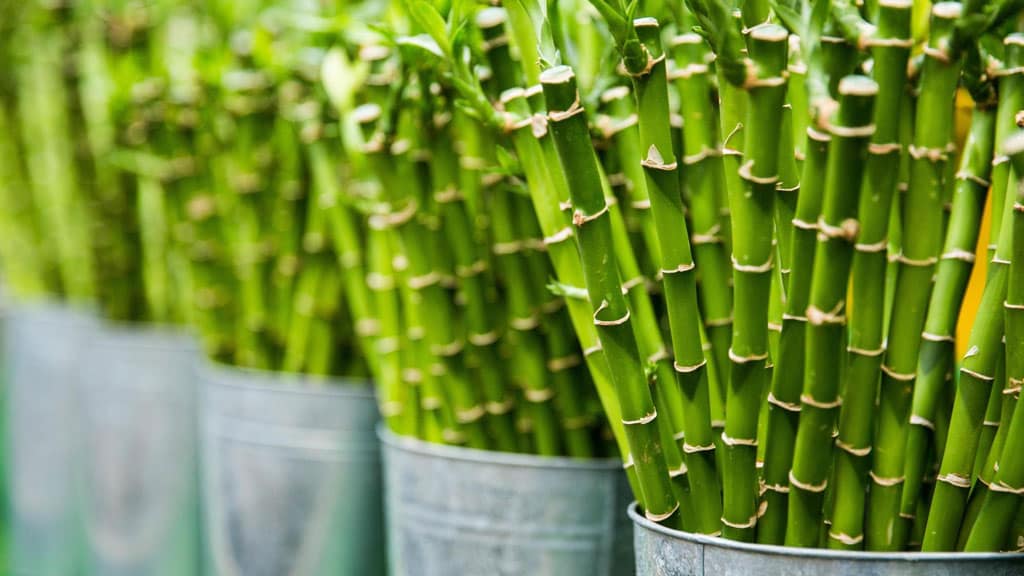
3. Durable and soft at the same time. Its durability is comparable to, and sometimes superior to, some of the most popular hardwoods used in furniture making. Therefore, cabinets or chairs made from it can stand the test of time and be used for years to come. But surprisingly, bamboo fibres are also used in the production of fabric. In particular – bed linen and towels are in high demand among customers. All thanks to the softness that the fibres of the plant give to these products. But it is not only the softness, but also the lustre and special silkiness of the surface of the materials.
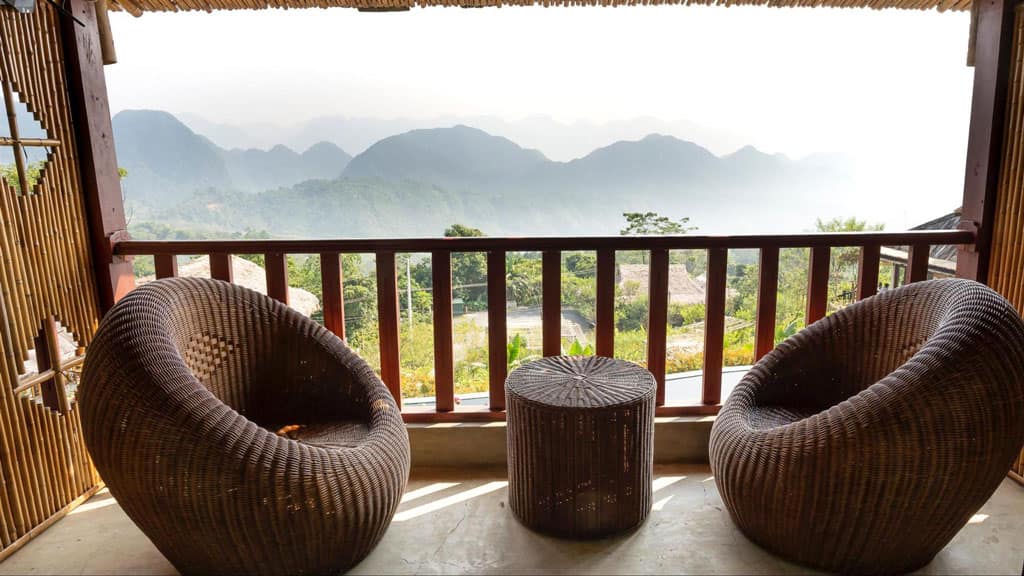
4. Style. The uniqe properties of bamboo are widely used in the furniture industry. Furniture made of this raw material is produced in various styles, and depending on the design of the room you can use models of the most different kind and type. Often in more traditional style houses use shelves made of bamboo trunks, which give completeness and lightness to the design of the room. And in more modern homes, bamboo plank furniture fits well, as it has a more elegant and shiny look.
5. Long-lasting. When it comes to buying furniture, especially for the kitchen or bathroom, durability is of the utmost importance. In such cases, it is very critical that the material lasts a long time and does not need to be replaced or repaired soon. In this respect, bamboo is an investment in durability and quality. Shelves made of this material will look great not only on the day they are installed, but also many years later when you decide to move and sell the house.
6. Eco-friendly and renewable resource. Another advantage of bamboo is that it is completely biodegradable and can be easily replenished. This feature makes it especially valuable to buyers who are concerned about the eco aspect of their lifestyle. There are certainly those who appreciate the unique texture of shelves and cabinets made of it. When ordering such furniture, you can choose between vertical or horizontal surface textures, depending on your interior and personal preferences, which will make the atmosphere of your home even more special and personal.
7. Affordable price. Despite all of the above benefits, bamboo comes at an affordable price. And if you’re really a fan of sustainability, you don’t have to go broke to enjoy furniture, accessories, or decorative elements made from eco-friendly and renewable materials. In fact, the price of bamboo furniture is about the same as regular wood furniture, so you’ll be able to furnish rooms within your budget.

8. Sturdiness and endurance. You don’t have to worry about heat or moisture causing warping or damage. Bamboo is actually no more prone to warping than other types of wood. And its strength and durability will stand up to the heat and moisture in your kitchen or bathroom.
9. Versatility. Bamboo is now widely used in the home to make many useful pieces, ranging from bedding and clothing to tableware and even hygiene items.
So, especially in today’s environment, the benefits of bamboo are obvious and truly valuable. Products made from this material are an excellent choice for people who appreciate environmental friendliness, style and durability. By choosing bamboo, you are investing in a high quality product that will serve you for years to come.
For the further manufacture of products, two types of raw materials obtained from bamboo are used: fibers and hardwood.
To produce high quality fabric, the shredded “tree” bamboo is broken down with caustic soda (sodium hydroxide). The result is cellulose. Although this is a chemical process, if done responsibly, it has no harmful effect on the environment. And sodium hydroxide itself is widely used in many industries and is endorsed by the Global Organic Textile Standards (GOTS) and the Soil Association.
Although the manufacturing process of this fiber cannot be considered 100% environmentally friendly, this material is currently the best choice of those on the market. It is used to make textiles, paper, etc. For example, you can find 100% bamboo socks on the market. It is also made into sheets, towels and much more. It is even blended with cotton, lycra and hemp.
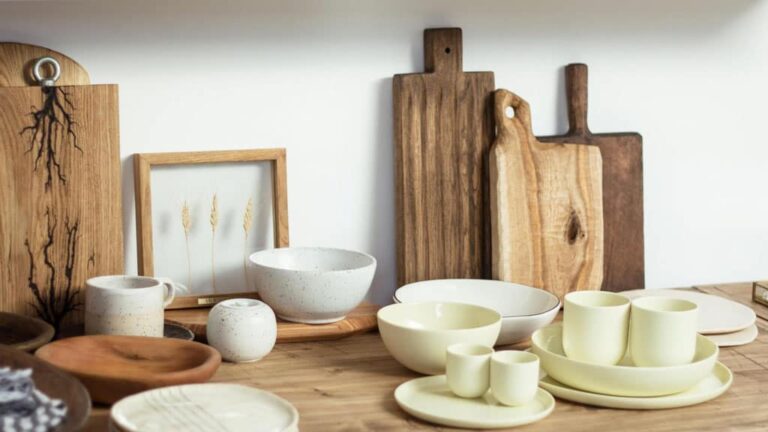
Bamboo is widely used as a construction material. It is cut and layered into planks and boards. Bamboo stems are cut into thin strips, boiled and dried. They are then glued and pressed together. The resulting slabs can be used as solid wood to make furniture, decorative objects, kitchen utensils, toothbrushes, surfboards, and much more. Each of these items has its own special advantages in use. For example, bamboo laminate is of the highest quality, is extremely durable, looks attractive and can be used in home decorating. It is proven to be 3 times stronger than oak.
The hero of our article is quickly replacing many plastic items in the household, and there are several reasons for this. If we are talking about kitchen accessories, then such cutting boards are more resistant to the use of knives and the reproduction of bacteria. With moderate heat and deformation, they remain flat, but plastic ones are more prone to deformation. Plastic bowls can be toxic and release harmful substances into your food. This is especially the case when eating foods with high acidity, such as sauerkraut.
Most importantly, plastic remains in the environment for decades, contaminating it and over time attracting animals and birds, while bamboo – decomposes completely. Therefore, when properly disposed of, bamboo naturally returns to the earth in less than a year, leaving no environmentally harmful residue. This makes it a true environmental miracle.
In addition, plastic can contain harmful chemicals such as bisphenol A (BPA) and phthalates, which can leach into food and drink, posing a health risk. And by choosing bamboo utensils or toothbrushes, you can rest assured that you’re not exposing yourself to chemicals.

In the kitchen, bamboo and wood have long been rivals. Bamboo kitchen accessories and cutting boards have been used by many for years. They require much less maintenance than their wooden counterparts. And utensils made of it do not get a rough texture after a few months of use. Therefore, you can enjoy chopping and slicing without worrying too much about the wear and tear of the board.
In addition, such utensils provide you with a unique eating experience. Although it may seem unusual, there are people who enjoy eating with bamboo cutlery. And enjoy every bite without any metallic aftertaste. Try it and you might enjoy it too.
Mold, which feeds on the lignin in the fibers of the material, can wreak havoc on beautiful, eco-friendly goods. Therefore, it pays to be vigilant in detecting the fungus in its earliest stages and destroying it without damaging the item. It is important to remember that proper care, drying and applying a protective coating to items can minimize the chances of this mold occurring.
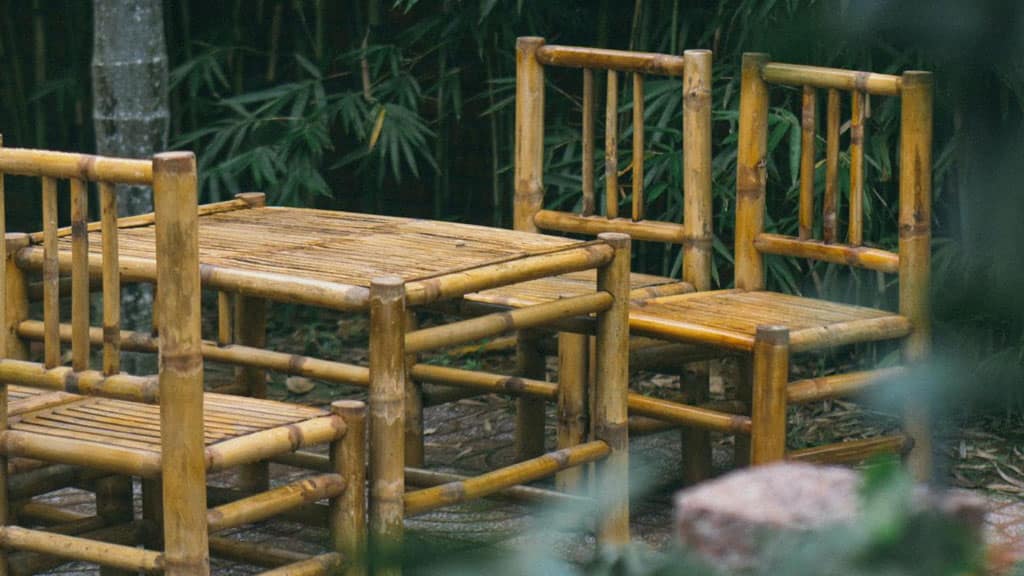
The fungus originates from small airborne spores and causes the biological destruction of bamboo. These pests feed on the starches and carbohydrates found in the trunk of the plant, leaving visible damage on the surface. These fungi are very fond of oxygen and humid environments, so in conditions of 40% to 80% humidity, rapid development and infection of the furniture or accessories will occur.
There are 3 types of fungi that are widespread and most dangerous:
In order for your favorite things to serve you for a long time, it is important to take an appropriate care of them.
To prevent the spread of mold in your home, it is important to treat mold infested furniture outside.
Wipe away surface mould with a cloth. And there are plenty of cleaning products that can help you here. But the important point is that the mandatory ingredients in them should be vinegar, lemon oil, ammonia or bleach. Remember that you should not use ammonia and bleach together at the same time, as the combination will produce poisonous gas.
Use a plant spray bottle and apply vinegar or lemon oil to the mold. You can also make a special cleaning solution using the following ingredients: 1 cup of ammonia, 1/2 cup of vinegar and 1/4 cup of baking soda per 4 liters of water. This mixture actively releases carbon dioxide, which will help you destroy the mold.
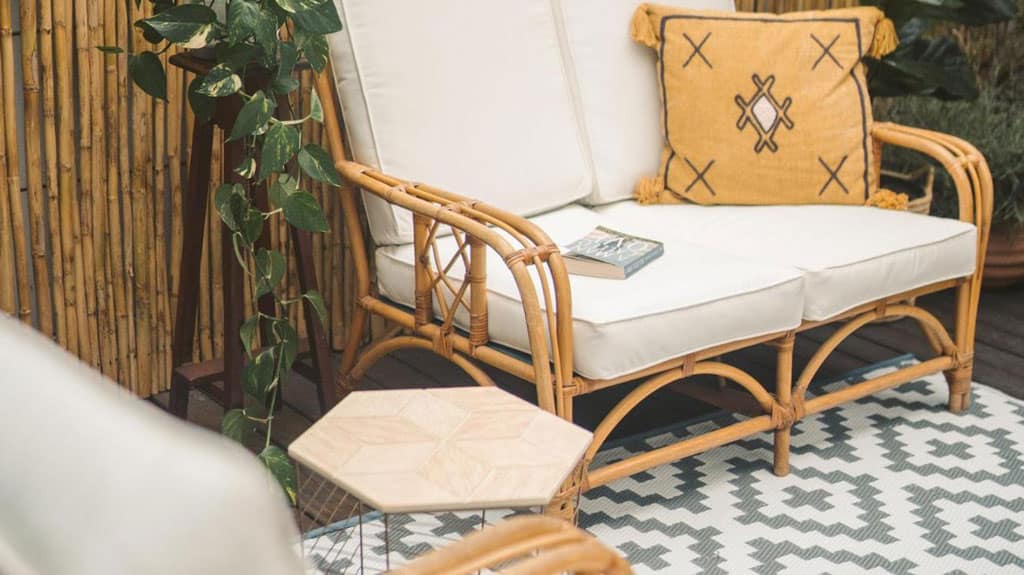
It’s important to completely remove the fungus. Pay attention to hard-to-reach and visually inconspicuous areas of objects. To remove mold from joints and gaps – use a toothbrush or soft and small furniture brush.
After cleaning, rinse the affected areas with clean water and allow them to dry completely. This step is very important as any remaining moisture can encourage pests to re-develop.
Wipe the surface with a dry cloth to ensure it is 100% dry. When it comes to cutting boards, it’s important to oil them regularly with an appropriate oil to keep them strong and prolong their life.
Bamboo wood is strong, durable and environmentally friendly. In addition, ittems made of it are characterized by a unique style that attracts attention. It is important to note that bacteria are less likely to survive on this material, which is an undeniable plus when using such kitchen utensils.
In any case, everyone should try bamboo items as furniture, kitchen or bedroom accessories. They will give you tactile and visual pleasure, and this will help to preserve nature. We hope that these arguments will motivate you to pay attention to bamboo products and their amazing benefits.