
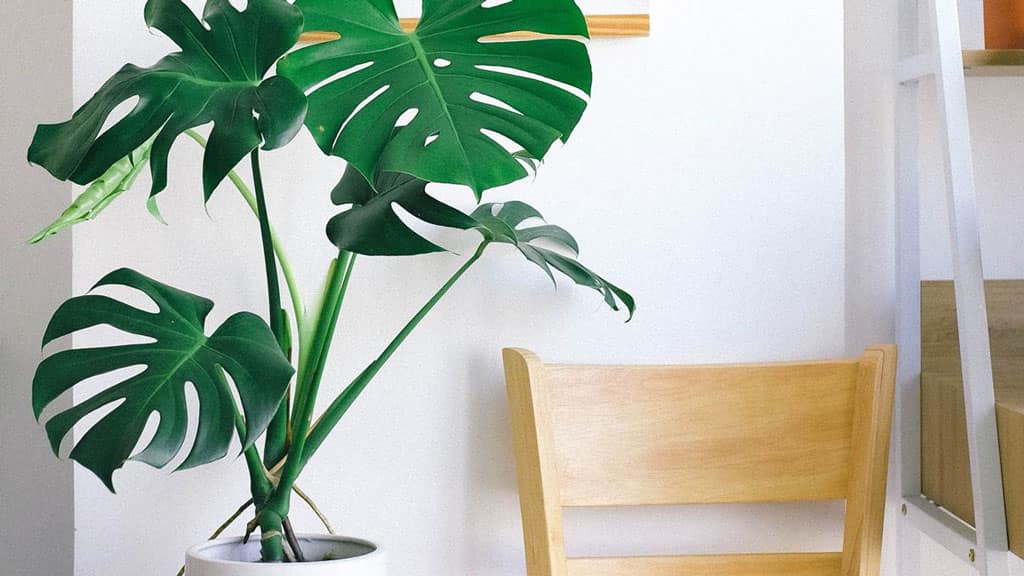
Monstera is an evergreen liana from the Aroid family. This genus unites about 50 species. The plant received its formidable name because of its huge leaves and aerial roots. Most often monstera is kept in offices and large rooms, as it produces a huge amount of oxygen, thanks to the leaf mass. The homeland of lianas is considered to be the tropical forests of Brazil and South America, from where they were brought to India, China and Europe by the discoverers.
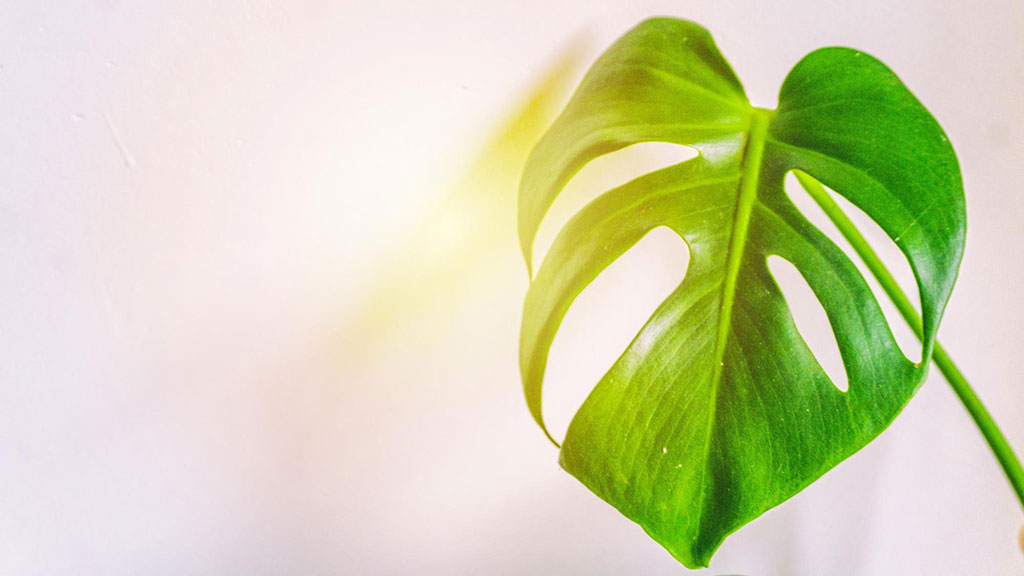
The plant has many aerial roots, thanks to this monstera can grow as epiphytes. In the wild, they grow up to 20 metres and the leaves can reach up to a metre in length. At home, monstera is often shaped with the help of a support. The plant grows to such a size that sooner or later it will have to “cede” him a part of the territory and allocate a special corner of the house. As a support, tubes and sticks with coconut fibre are suitable. Monstera is considered an unpretentious plant and growing it is quite easy. The leaves of the liana are asymmetrical, elongated, egg-shaped. In room conditions, monstera leaves usually do not grow longer than 30 cm.
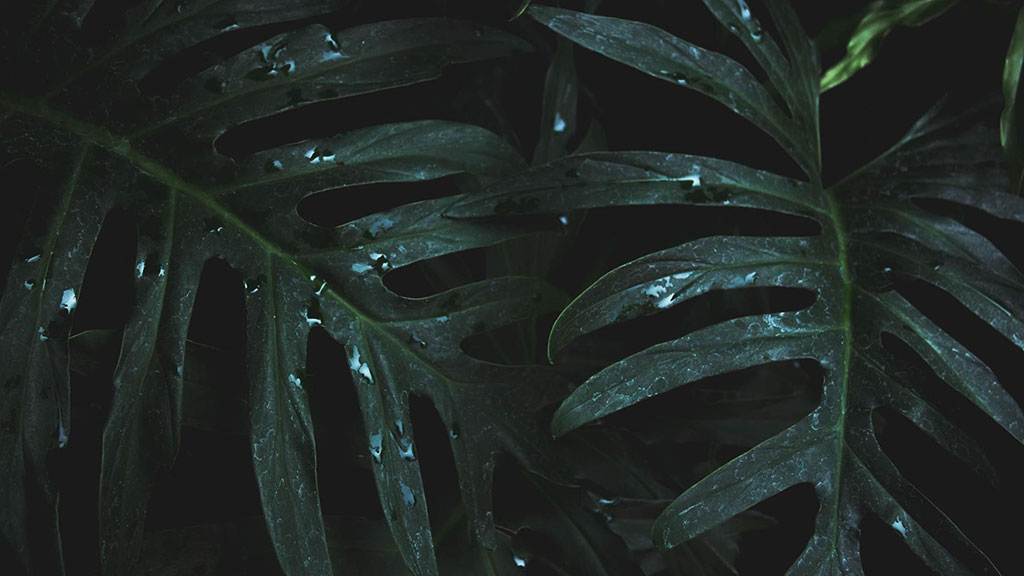
Monstera is a barometer plant that helps to predict the weather. Before rain, water droplets appear on its leaves. This mechanism in natural conditions helps to remove excess moisture, but indoor species have retained its unique quality. With the help of aerial spines, monstera adapts well to its surroundings and grows near trees, shrubs and rocks. Even in a dusty office or school, the liana grows up to 2 metres in length. The leaves on the stem are held well by cuttings. The flowers are cream-coloured, a dense bud with a fruit in the centre that resembles a corn cob. In order for monstera to bloom, it is necessary to strictly observe the rules of care (regular watering, lighting, feeding). And still, even if all conditions are met, flowering is not guaranteed. The appearance and decorative value of the monstera strongly depends on the characteristics of the variety.

| Species | Monstera Deliciosa |
| Origin | Central and South America |
| Height | Up to 4 metres |
| Toxicity | Toxic to pets and humans (except for the fruit when ripe) |
| Air Purifying | Yes, removes harmful substances from the air |
| Growth | Fast-growing, upright growth with long fleshy stems; can grow up to 4 metres tall. This is a climbing plant with aerial roots |
| Location/Light | Prefers bright, indirect light; avoid direct sunlight. Faded leaves indicate too much sunlight |
| Watering | Moderate, let the topsoil dry out between watering; avoid waterlogging. Water less frequently in winter. Water when the top soil layer is dry, and avoid stagnation |
| Water Quality | Preferably use rainwater with low lime content or well-settled tap water |
| Fertilisation | Every 2-4 weeks in growing season with liquid fertiliser; reduce in winter. You can use liquid fertilizer weekly during the growth phase or use fertiliser sticks. |
| Substrate/Soil | Well-draining, nutrient-rich soil; from sandy to loamy. Potting mix with peat, pine bark, and perlite is ideal |
| Repotting | Young plants annually, older plants every 2-3 years. Best done in spring |
| Propagation | Stem cuttings, air layering, or stem pieces. Using head or stem cuttings in spring or summer |
| Diseases & Pests | Aphids, spider mites, scale insects, root rot. Monitor for yellow leaves, brown leaf edges, or lack of leaf “windows” |
| Special Care | Wipe leaves with a damp cloth to remove dust; avoid injuring air roots |
| Winter Care | Reduce watering, no fertilisat ion, and maintain temperatures between 16-21°C |
| Planting | Ensure the pot has drainage holes, use a drainage layer, and provide support with a moss pole |
| Dusting | Regularly clean leaves with a damp cloth or sponge |
| Overwintering | Keep indoors, maintain moderate humidity, and reduce watering and fertilisation |
| Pruning | Not necessary but can be done for size control or aesthetic purposes. As needed, especially if the plant grows too large. Best in spring |
| Temperature | Around 20°C (68°F). Cooler during rest period but not below 15°C (59°F) |
| Humidity | High. Regular misting and leaf cleaning recommended |
There are more than 50 different species of this evergreen liana, but only a few of them grow well in the home. These shade-tolerant houseplants have managed to adapt well to new conditions. Breeders have bred hybrid species that are ideal for life in a flat. They differ in leaf size, flowering frequency, shoot length and fruit shape.
This tropical beauty comes from the forests of South America. The attractive monstera grows up to 3 metres in length and blooms every year in greenhouses. Its leathery leaf plates with slits grow up to 35 cm. The white shade, interesting cross-sections and spotting on the leaves increase the ornamental value of the species. The leaves are quite thick, in the wild there are specimens up to 90 cm in diameter. The fruits of the plant are similar in flavour to pineapple, which is why monstera got its name. Monstera berries are so tasty that the liana is cultivated as a fruiting plant in Brazil, India and Australia.
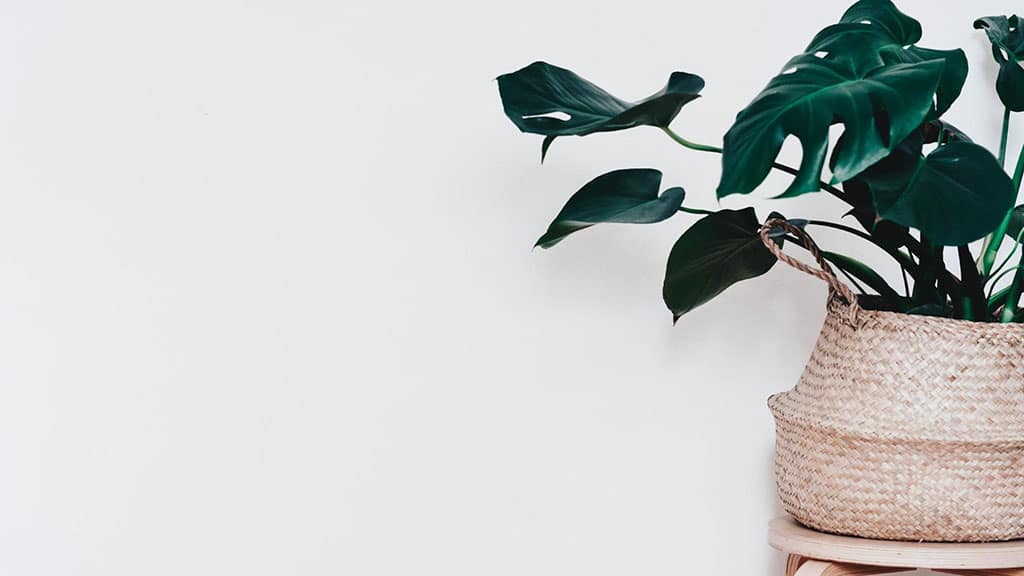
A very hardy liana native to Mexico that is not prone to disease and easily resists pests of all kinds. The leaf plates are oval, smooth, with large slits. Flowers resemble ears of wheat and have a yellow shade. However, in domestic conditions, this species practically does not flower. In its natural habitat, it reaches 8 metres in length, and in an ordinary flat it can be grown as an ampel plant.
The plant has a very beautiful appearance, the leaf looks like a sickle with asymmetrical slits of varying lengths. The leaves are up to 20 cm long and 7 cm wide. A good support for the liana can be a special trunk bought in a flower shop. The aerial roots are at the same time a support for new shoots. It is better not to remove them, but gently guide them into the ground. The oblique monstera is often attacked by a terrible enemy of most ornamental plants – spider mite. In this case, you need to immediately spray the liana with fungicides. It is desirable to fertilise the earth in the pot more often with cowslip.
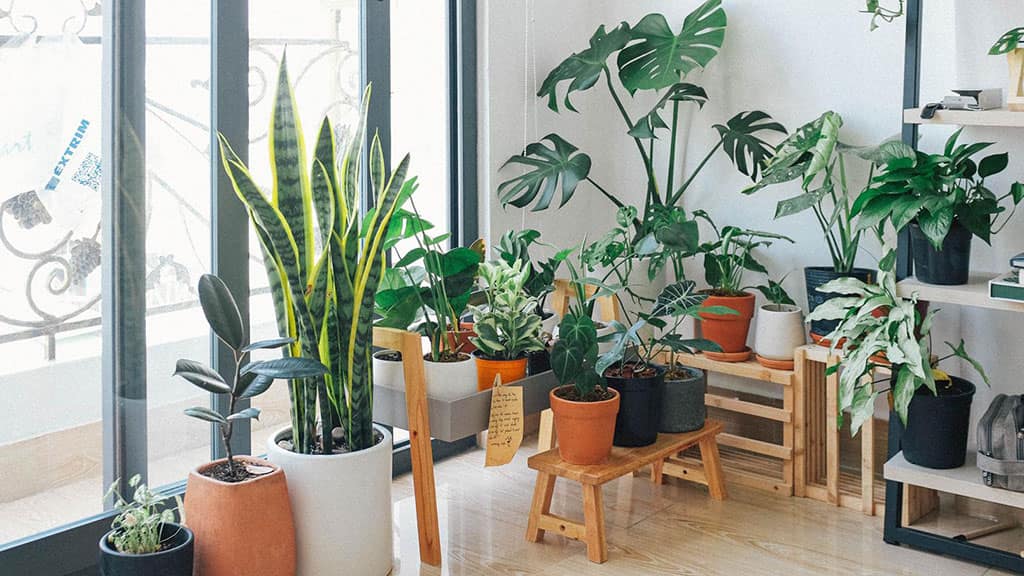
An ideal monstera for offices, spacious living rooms and dining rooms. It is good at purifying the air from harmful impurities, chemicals and heavy compounds. Would be a great choice for those who work in stuffy environments. In the wild it grows up to 3 metres, in flat conditions it usually reaches a metre in length. A characteristic feature of the variety is the lacy patterns and slashes on the leaves. This species is particularly sensitive to stagnant water in the pot, so take care of the drainage material in advance. Poor watering can cause fungus or other diseases. Every 3-5 years it is better to replant the plant.
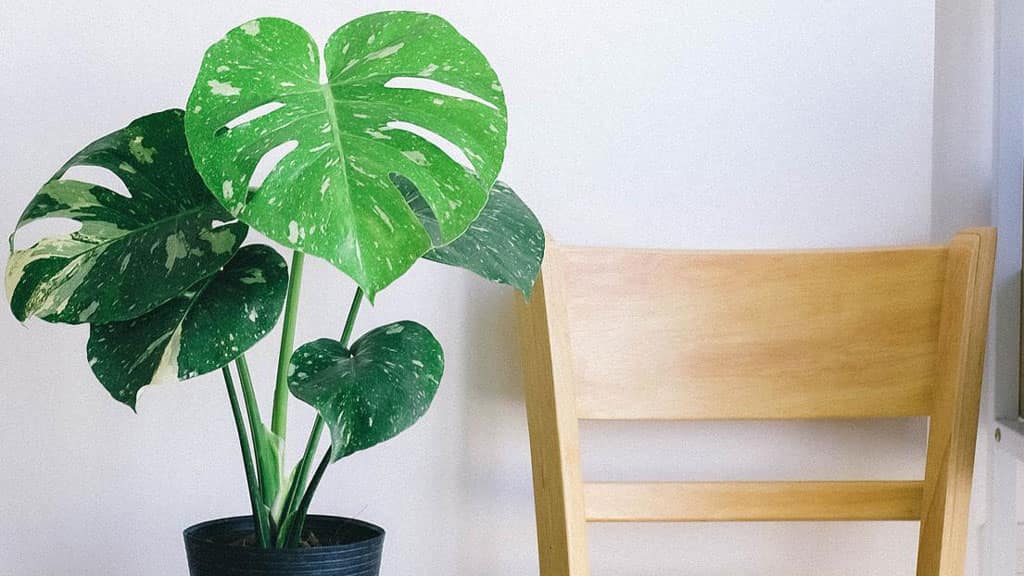
Monstera Alba (variegated) is one of the most beautiful species of monstera. The leaves are light green, with white spots. The spots can take up most of the leaf plate. At first, the leaves grow lacy, then there are solid and leaves with slits. Prefers bright, diffused light. The substrate should be light, with good drainage. It grows very slowly and has high requirements for feeding. Interestingly, Dutch specimens often lose their unique decorativeness and become ordinary delicatessen monstera.
Repotting is carried out taking into account the age of the plant. For the first three years, the monstera is transplanted every spring into a larger pot. After that, the growth rate of the species will only increase, so you will need 2 to 4 transplants every year. When the culture is fully grown, transplants will no longer be required. It is only recommended to change the substrate for a new one, because the monstera quickly takes all the nutrients from the soil.
The acidity of the substrate should be neutral or slightly acidic for a young plant, and the amount of peat in the soil should be increased every year. The best soil composition depends strongly on the type of monstera, temperature and humidity. Usually choose a neutral soil with an acidity level of pH 6-7. The mixture consists of garden soil, peat, sand and humus in equal proportions. The soil should be loose and well permeable to oxygen. You can also buy a ready-made mixture for palms in the shop. The soil must necessarily be rich and well retaining moisture. Many professional florists say that monstera will suit any soil without excessive salinity. Be sure to take care of good drainage. The roots of a young monstera are not yet fully developed, so it is easy to transplant the plant into new soil. But care should be taken, as damaged roots can lead to disease and poor growth. When the liana reaches four years of age, you can renew only the top layer of soil. This will result in a partial renewal of the soil.
The flower container is always replaced with a more spacious one, so that the monstera had room to grow. For the first 3 years, the pot is increased by 10-15 cm, later by 20 cm. It makes no sense to choose a larger container, as a large gap between the root system can lead to rot and disease, and the soil will turn into a swamp. Mature and large plants are transplanted into specially made tubs of wood. The roots of the plant are quite fragile and voluminous, so it is better to transplant with two people. Monstera is transplanted by transplanting. First you need to abundantly water the culture, and then turn it on its side, cut the roots from the drainage holes and pull out the base of the trunk along with the earth coma. Try not to cut the adventitious root during transplanting. It is better to cover the bottom of the new container with a drainage layer and a layer of soil on top. The root system should be distributed over the entire surface of the soil and fill the pot with pre-prepared soil. After that, abundantly water the plant and wait until the earth clod is completely dry. Mature lianas can be cut upwards to provoke the growth of side shoots.
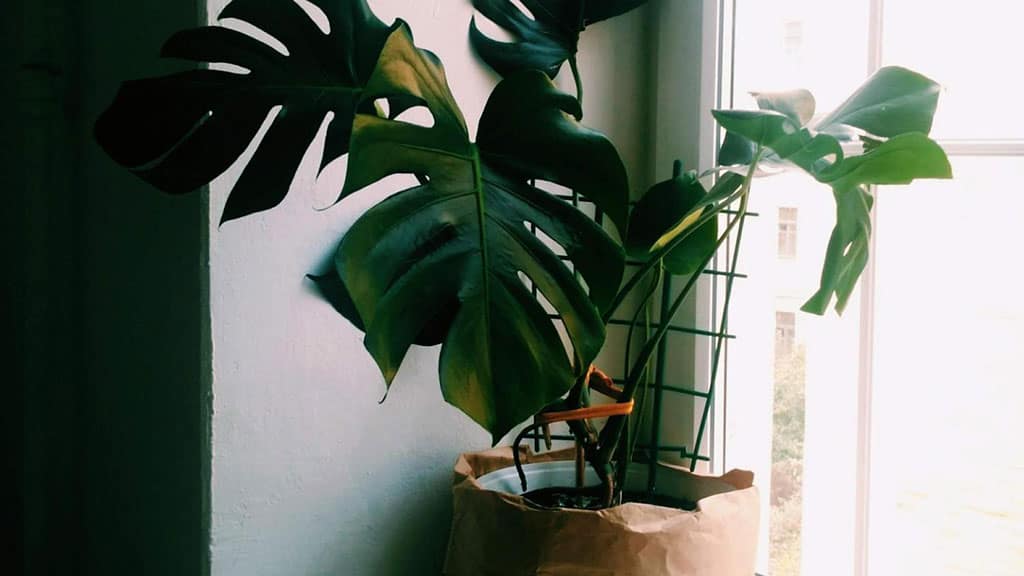
Monstera is one of the largest indoor plants, so it needs a support to hold it in place. Monstera starts to need a support after its trunk reaches 20 cm in length. If no support is provided, the monstera starts to bow to the ground and eventually becomes a creeping plant. This is how a vine with great growth potential falls into decline. In natural conditions, monstera are supported by trees, but flower growers have to take care of this themselves. Special supports with coconut fibre are sold in shops, but you can make them with your own hands. To do this, you just need to wrap a layer of sphagnum moss on a plastic stick. Such a support absorbs moisture for a long time and is able to maintain the necessary level of humidity near the plant. The stick should then be wrapped in plastic netting and attached to the support with a thick fishing line. As a vertical support, it is recommended to use a plastic tube made on the same principle. Monstera can be held on a vertical support and on several horizontal ones. In a spacious room, you can make several supports for the liana, so that it stretches beautifully upwards, and the aerial roots hang down for greater decorative effect.
From the choice of the right vase for monstera directly depends on the further life of the liana. A new vase should accommodate the liana with a pot from last year. Cachepot is suitable only for very young plants. The fact is that monstera grows too fast and clings to any ledges it can find. Therefore, it will not be possible to painlessly transplant the liana next year. The depth of the vase should correspond to the size of the rhizome, and the width should allow the side shoots to grow, so that they do not bump into the obstacle. Transplanting into a new pot is carried out in the first days of spring, before the phase of active growth of monstera.
Monstera is easy enough to propagate, the tropical liana is used to survive in the harshest conditions and does not require special skills from the florist. However, if you do everything correctly, you can save your time and get the desired result many times faster. Excluding seed propagation, the other methods require pruning parts of the plant, and without proper preparation, such an operation will cause serious damage to the monstera.
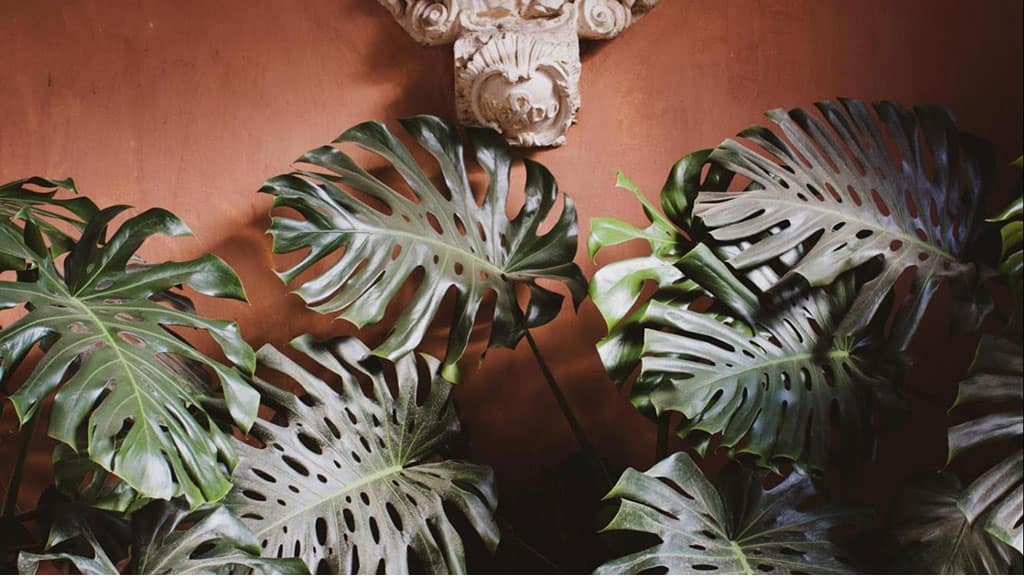
A cuttings are taken from the top of the vines, which can be placed in water for convenience. After a while, the cuttings should give roots. Wait until 3 or more root shoots appear and plant in the ground. The more shoots, the better. This will help the plant when rooting, the monstera will spend less energy and therefore the first leaves will appear sooner.
It is necessary to take a part of the stem, which has at least two buds, and then put it in soil or hydrogel. It is not necessary to bury the cuttings, just water them, and they will root on their own. At first, cover the cuttings with a film or glass to create a mini-greenhouse. Once a day the film should be removed to give the plant some air. After the first roots appear, you can plant the cuttings in a separate pot. At about the same time, the first leaves in the form of small hearts will appear on it. Standard leaves of a dissected form will appear a little later. This method is considered the most productive and easiest among professional flower growers.
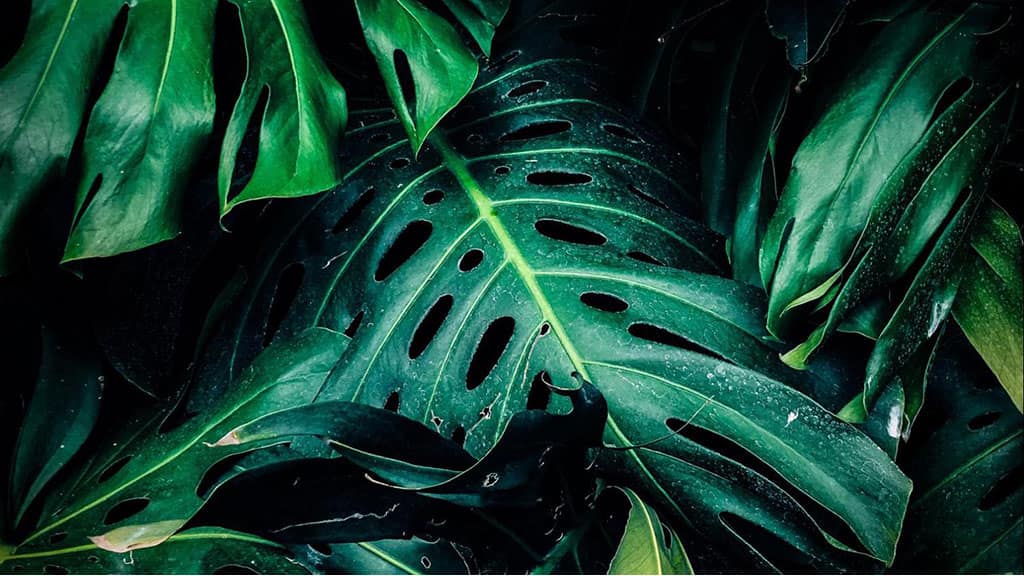
Many flower growers use this method to propagate monstera. If you have a leaf in your hands, place it in a large three-litre jar of water or a similarly shaped and sized container. All you have to do is wait for the leaf to take root. The leaf may wilt, but if roots appear, transplant it into nutritious soil. To increase the chances, try to root the leaf after at least three roots have appeared.
This method of propagation is almost guaranteed to succeed, but it is considered the most labour-intensive. Choose a leaf with strong aerial roots on the trunk of the plant. Often two methods of propagation are used. The first is to tie a pot of water to the trunk, which will hold the aerial roots. It is also possible to wrap the aerial roots with moss and constantly maintain humidity. To do this, tie a bag around the roots and create a small steam room. When there are many roots, it is time to separate them from the mother plant and transplant them into a separate vase.
It is not recommended to propagate monstera by seeds, because it takes a long time and is extremely unreliable. Good seeds are difficult to get, and if you can, monstera will still germinate only after a year, even if all the conditions are met. So, it is necessary to maintain a constant temperature in the room (23-25 degrees) and organise a bright, diffused light (you can use fluorescent lamps). It is necessary to get a light and nutritious substrate, but as an alternative, some people use moist moss. If you regularly ventilate and moisten the seeds, the first sprouts will appear after a month and a half. As soon as the first sprouts appear, the seeds are potted into individual pots. The first full leaves will appear only 6-7 months after planting. Monstera is usually propagated in this way by professional breeders to avoid losing the genetic traits of the plant or to grow an exotic species.
Potential owners of monstera should remember that in the wild and in room conditions, this liana grows very large. In height, the plant easily reaches the ceiling, which creates certain difficulties when caring for the upper leaves. Care for monstera resembles care for hedera or other indoor liana. Particular attention should be paid to the aerial roots, which should be handled very gently. They can easily become permanently attached to the wall, and pruning them is very stressful for the plant. Do not forget to direct the adventitious roots into a pot and root them.
Monstera is a tropical plant, so temperatures should not drop below 23 in summer and 16 in winter. Small plants can be taken out onto the balcony. In greenhouses, temperatures of 12-14 degrees will not be a problem, just replace watering with spraying. Monstera feels well near the southern or western window in conditions of penumbra or diffused light. The liana is not demanding of light, but too much shade will be a problem. Ideal will be bright places without direct sunlight. But in northern regions and temperate latitudes, direct sunlight is also acceptable. Monstera likes humid air (50-60%), so do not place the plant near an air conditioner or heater, so that the leaves do not appear painful spots. Ideally, install a humidifier near the vines, or constantly spray and wipe the leaves.
Monstera needs plenty of watering with warm, well-drained water. Monstera is a barometer plant, it starts to cry if the plant is watered or if it is going to rain. It is very convenient to make a schedule of watering, based on the “tips” of the plant. In summer, the liana is usually sprayed with a sprayer, since the large and fleshy leaves actively release moisture. The leaves do not need any special care. They are simply washed regularly to remove dust. In winter, during the quiet period, watering should be seriously reduced. When the room is cooler, you can even limit yourself to wiping the leaves from dust. Keep ⅓ of the substrate moist at all times.
Pruning should be avoided on a regular basis, except for cutting the aerial roots and the top. It is recommended that the stem be trimmed once or twice during the initial stage of formation. The plant will then require additional support, will take up more space and will be suitable only for office premises, not for a flat or a small greenhouse.
From March to November, the liana should be fed with fertilisers for indoor and ornamental-leaved plants. For the delicatessen monstera use a fertiliser for variegated monstera. Feed about once every 2 weeks. Large specimens apply a mixture of fertiliser and humus under the top layer of soil. Pay attention to the weather, if September was cloudy and rainy, then feeding can be stopped until February. It also happens that in autumn and winter the leaves grow small and unsightly, but do not worry about this or feed the plant. Most likely, the light regime has been disturbed and the monstera is asking for more light. Do not feed the monstera in winter, as this will only harm the liana and encourage it to grow weak and ugly leaves.

Aerial roots are a legacy from prehistoric times that help vines survive in almost any environment. But they have no ornamental value and even spoil the appearance of the plant. They constantly try to “get out” and hang off the plant. It is best to tie them up so that they can take root. Breeders also advise to put a few small pots near the trunk and try to root them there. After rooting, you may have several monsters at once instead of one. Next to the pot it is advised to put a pot filled with water. Moisture will evaporate, and the plant will get optimal conditions for life. Holes through which air roots pass, spray from a sprayer. It is not recommended to cut off the offshoots, but if the aesthetic appearance of the liana suffers greatly, carefully cut off a few of the most overgrown specimens. If you cut off absolutely all the shoots, the plant is very likely to die. Always leave a few so that the liana can live on. Shorten the aerial roots at the edges of the carved leaves of the monstera. The flower does not need regular pruning, rather it is done to enhance ornamentation and, in some cases, to stimulate flowering. The aerial roots for propagation are cut only after the leaves appear. It is important to use a disinfected knife to avoid infection.
There are a few simple signs that indicate that the liana is diseased. Most of these are not indicative of pests, but rather of inadequate or improper care. The appearance of dark spots on the liana is an indicator that the plant is cold or there is constant watering. The root system should be checked to assess the extent of the problem. If the root system is rotting, the affected areas are carefully scraped off with a knife and covered with activated charcoal for disinfection. Cut off the rot until the appearance of healthy areas of green colour. After this, the substrate is changed along with the watering regime. Black leaves – this is also a signal of too heavy soil, use a purchased or lighter substrate made by yourself. Yellow leaves most often appear in winter, when the thermal regime is often violated. To solve this problem, reduce the frequency of watering and increase the light near the plant. The random appearance of yellow leaves signals burnout. Try reducing the light and placing the plant in semi-shade for a while. It happens that the edges of the plant dry out. This is a common problem with indoor species that are too close to air conditioning or heaters. Try putting a pot of water and expanded clay near the trunk, spray the leaves more often and buy a humidifier. Brown spots signal burns and fungal damage. There are plenty of antifungal preparations and fungicides in speciality shops that should help. Curling leaves signal hot weather for the vines. What’s interesting is that curling is most often seen in the winter. This is due to excessive heating in flats, while monstera needs a stable 16 degrees. Move the plant to a colder place and regularly carry out refreshing sprayings. Liana is affected by a large number of infectious diseases. For example, fusarium rot the roots of the flower, and if the liana is affected by phytophthorosis, it can no longer be cured.

Pests are also not averse to eating the succulent leaves of vines. The most common of these are the ivy leaf miner and spider mite.