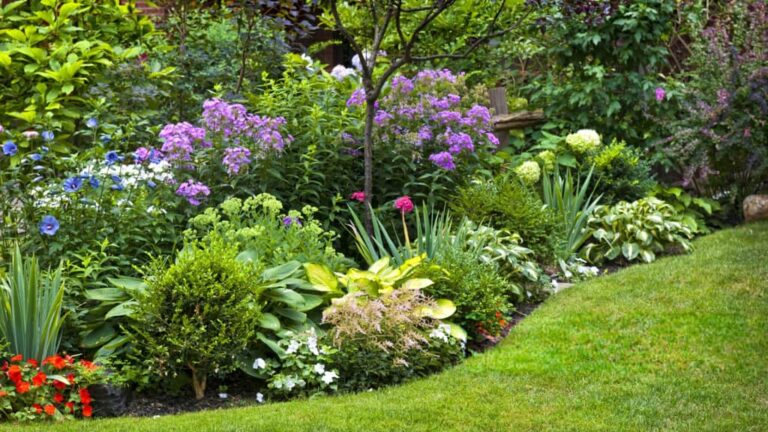


A lawn is not only a joy to behold, but there are many problems that need to be solved to keep the grass beautiful and healthy. In this article, we will look at the most common ones and how to restore your lawn.
Dry patches and unsightly holes in the lawn are every gardener’s greatest annoyance. There are many reasons for this, including improper maintenance, pests, disease, harsh winters, inadequate fertilisation or even your pets.
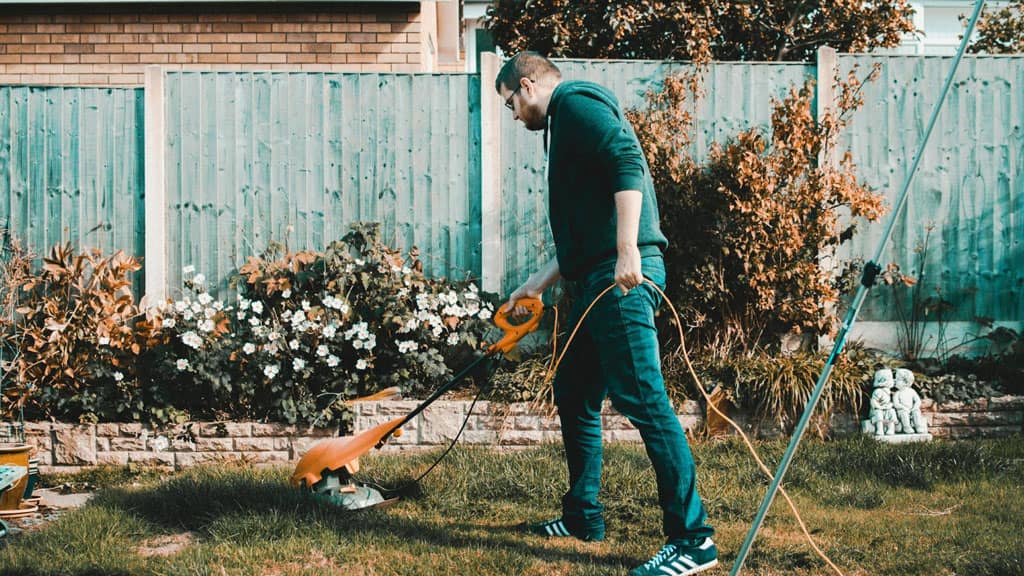
One of the most common problems is recovering a lawn from unwanted vegetation. Weeds and moss not only spoil the appearance of the lawn, but also smother the more delicate turf grass and prevent it from growing to its full potential.
There are several ways to get rid of them:
The choice depends on the number of weeds – if there are few of them, the first option is suitable. On abundantly affected areas, it is faster and more effective to apply the second method. Regular and timely mowing also helps to prevent weed overgrowth.
Moss is another frequent visitor to lawns, which appears for a number of reasons: excessive moisture and poor soil drainage, soil acidity, sowing in shaded areas, mowing too low, which depresses grass growth and allows moss to “clog” it.
To get rid of moss and restore the lawn, all these factors favourable for its appearance should be removed: conduct aeration to improve soil drainage and saturate it with oxygen, reduce acidity, adjust the height of mowing, treat the lawn with special preparations that inhibit moss.
The lawn also suffers from a variety of pests. It is best to prevent them from appearing on the lawn, but if you have not seen to it – promptly eliminate already committed atrocities.
No one wants to see molehills digging up mountains of earth on a flawless green lawn. The most effective way to protect yourself from uninvited guests is to place a net on the ground before sowing the lawn so that they can’t get through to the upper layers. But if the mole’s already on the plot, the plan is this:
Another threat lurking underground is the larvae of codling moths, bears and other harmful insects that gnaw on roots. This causes the lawn grass to wilt and spots to appear.
Having noticed the first signs of underground pests on the lawn, it is worth treating with suitable insecticides. On their basis, a solution is prepared and the ground is spilled, so that the active substances reach their main goal.
Cats and dogs can also cause damage to the lawn. They pose two main threats – mechanical damage in the form of dug holes and trampled grass and the toxic effects of excrement, especially urine, on the grass.
Most lawn diseases like snow mould or grass rust are caused by pathogenic fungi. The use of specially selected fungicides will help to defeat them. Timely fertilisation is also recommended – fertilisation will strengthen the immunity of the grass and make it more resistant to disease and help it to recover afterwards.
Lawn grass can get burned in several cases: from the wrong application of concentrated fertilisers and directly from sunlight.
In both cases, it is worth adjusting fertilising and watering methods.
This can be caused not only by natural drought or improperly organised watering, but also by the structure of the soil. Most often this problem occurs in heavy soil. If it is difficult enough to correct the composition of the soil, then it is quite realistic to do it with watering – in hot months, water your lawn every 2-3 days. It is best to use special irrigators and sprinklers, which evenly distribute moisture over a large area, preventing overwatering of individual areas.
Often in the spring, you’ll find patches of lawn that have thawed out. The old grass has died and the only thing left to do is to carefully remove it, sow the empty spots with new seeds and wait for them to sprout and turn green.
It can no longer be resuscitated, but it is possible to understand the causes and prevent the appearance of uprooting next time. The main problem is poor autumn preparation of the lawn for wintering.
This problem can be found in young lawns and old lawns alike. Often the cause is too compacted soil, which clamps the roots and prevents moisture and fertiliser from reaching them freely. Aeration – piercing the ground with a pitchfork or a special aerator – will help to solve the problem. This procedure oxygenates the soil, makes it lighter and stimulates the active growth of grass.
Poor lawn growth can also be due to the low fertility of the soil on which the lawn is sown. Therefore, regular fertilisation, according to the season, is one of the important measures.
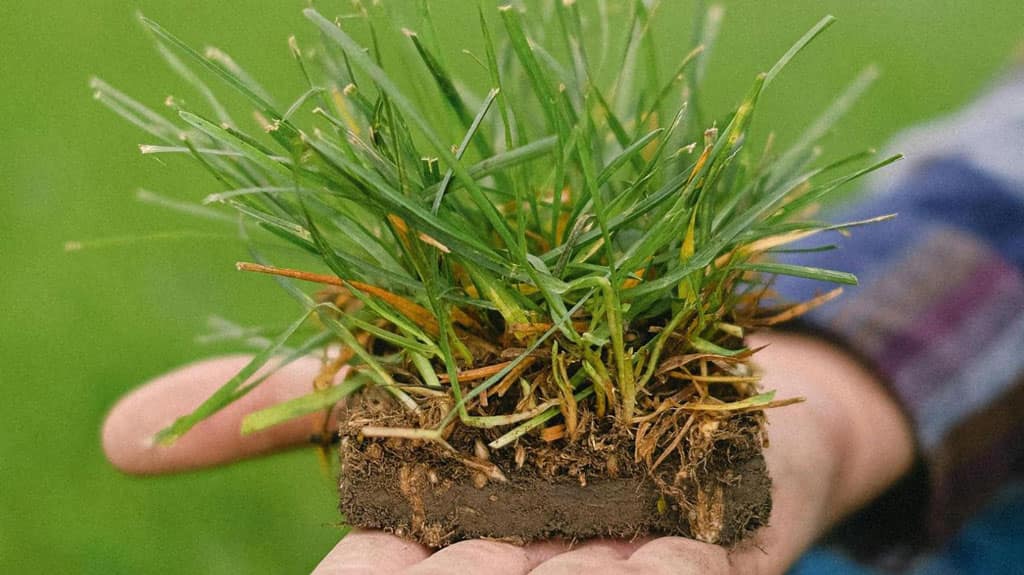
Another reason is poor quality seeds or sowing them too infrequently, without following the consumption rates specified by the manufacturer. Such a lawn will have to be “thickened” by reseeding.
Before you can take decisive action, you need to identify the reasons for the poor quality of your lawn. A little time spent on this will help to avoid similar problems after the grass has been repaired. If gross mistakes have been made, the lawn should not be repaired, but redone or even created elsewhere on the property.
These serious mistakes include:
In other cases, attempts to revive the grass carpet will lead to success.
Operations that need to be performed:
If the grass has not been watered for more than a month in a hot, dry summer, it can burn in the sun completely, up to the state of hay. In this case, the lawn will have to be redone.
If there are any signs of life, you should try to restore it. To do this, first carefully comb it out with a light rake, so as not to damage the weak living blades of grass.
Then water abundantly at the rate of 2 buckets per 1 m2. Watering is better to combine with treatment with stimulants. To do this, use this algorithm: first water with clean water, then – aqueous solution of stimulants.
In hot weather, you should moisturise your lawn every day, monitoring the condition of the soil:
After 10-15 days, the lawn will turn green with young seedlings. Mowing starts when the grass has reached 8-10 cm. It should be cut no lower than 6-8 cm. Low mowing is possible only after the grass cover is fully restored.
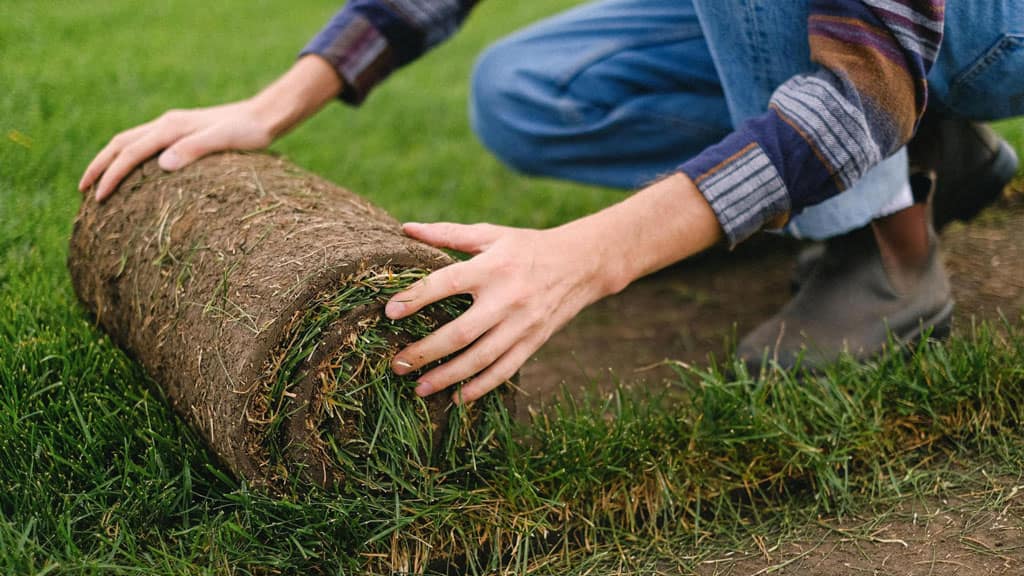
If the overall condition of the grass cover is satisfactory, but the appearance of the lawn is spoilt by small areas where there is no grass or it grows rarely, it makes sense to repair the lawn with a roll turf. For this purpose, the grassless area is loosened, levelled, fertilised and abundantly watered.
From the roll of turf, a patch is cut to the shape of the gaps with 2 cm more on each side. The patch is placed on the area to be repaired and rolled. Fill the seams with mulch. Water again and leave it under a load for a few days until it takes root.
If gross mistakes were made at the stage of creating a lawn, if more than 50% of its area has died as a result of poor quality care, or if weeds prevail over cultivated plants, it makes sense to completely replace the old lawn.
Seeded grass is much more difficult to remove than rolled grass. The roots of the seeds penetrate much deeper into the soil, so it takes a lot of effort to remove them.

To do this:
Then sow lawn grass seed or spread rolled turf.
The cut sod can be composted, but it is more efficient to recycle it on site as an organic fertiliser. This saves energy and preserves the fertile layer. The pieces of old turf are turned grass-side down, watered with biopreparations, covered with a black film and left in the sun. After 2 months, the cut turf turns into humus, which can be reused.
Rolled lawn is spread on a special substrate of sand, its base is separated from the main soil, so such a roll is easy to remove, pre-cut into small pieces.
In order to keep your lawn happy for as long as possible, you need to take timely measures:

Regular lawn care is in the long run more cost-effective in terms of time and investment than restoring it.