

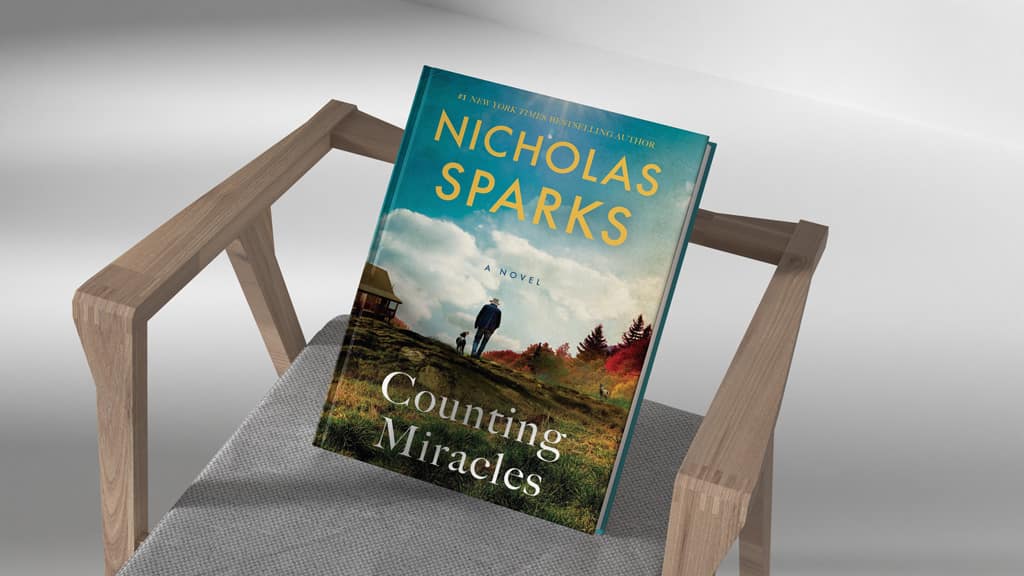
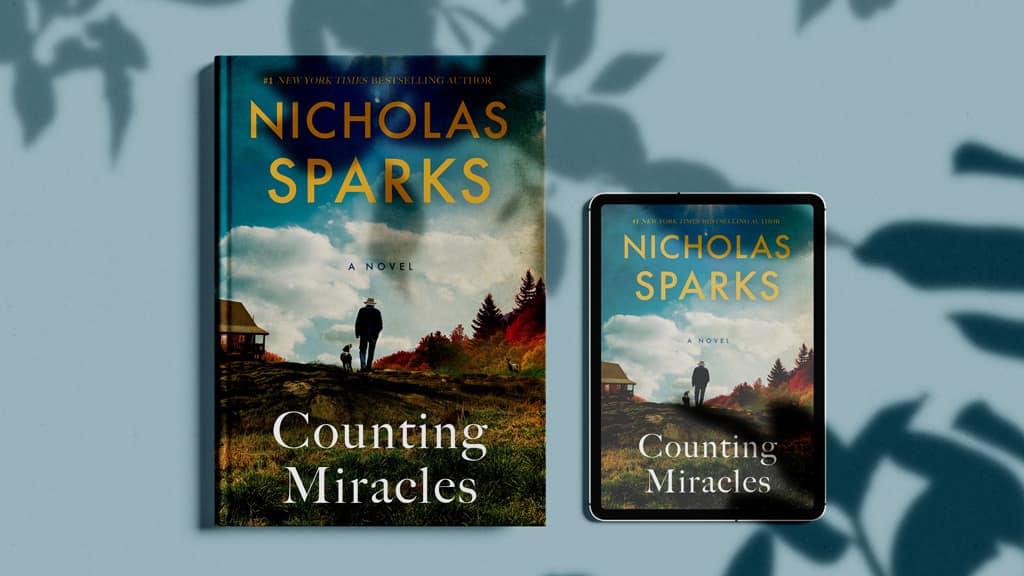
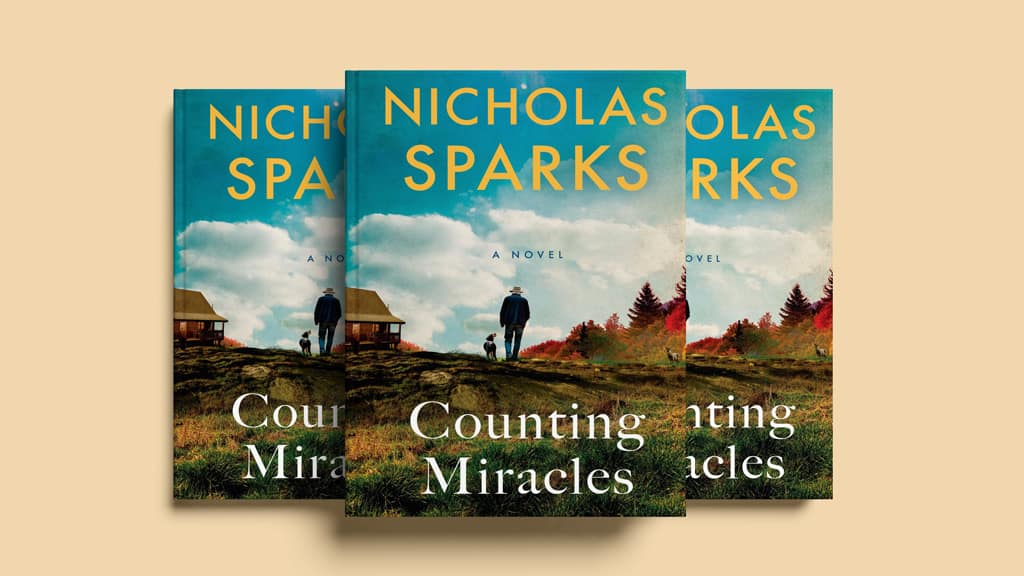
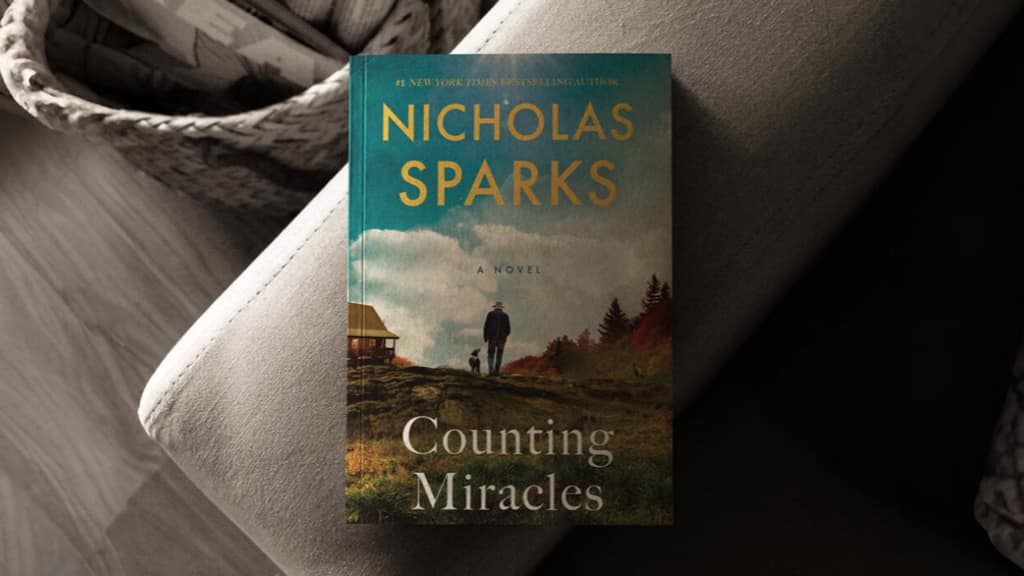

Nicholas Sparks’ Counting Miracles delivers yet another emotional and heartfelt story, expertly weaving together themes of love, loss, faith, and second chances. Set in the picturesque small town of Asheboro, North Carolina, this novel offers an intimate look at the lives of three distinct characters whose paths intertwine in unexpected and meaningful ways. Sparks masterfully balances poignant character development with a hopeful narrative, creating a tale that resonates deeply with readers.
Nicholas Sparks’ Counting Miracles is a layered narrative that interweaves themes of self-discovery, grief, faith, and love through the lives of three central characters: Tanner Hughes, Kaitlyn Cooper, and Jasper Johnson. Each character’s journey intersects in the small, tranquil town of Asheboro, North Carolina, where personal growth and the concept of miracles unfold against a richly symbolic setting.
Tanner Hughes is a former Army Ranger whose life has been shaped by loss and transience. Raised by his maternal grandparents after his mother died in childbirth, Tanner has never known his father. Following his grandmother’s passing, Tanner receives a note revealing his father’s name and a message urging him to “find where you belong.” This discovery ignites Tanner’s journey to Asheboro, where he seeks to uncover the truth about his father and, ultimately, himself.
In Asheboro, Tanner’s life takes a turn when his prized Shelby GT500KR is damaged in a minor accident involving Casey Cooper, a teenager who introduces him to her mother, Kaitlyn. What begins as a chance meeting evolves into a deeper connection, as Tanner starts to question his nomadic existence and whether he can build a stable life in Asheboro.

Kaitlyn Cooper is a single mother and physician who has dedicated her life to her children and her demanding career. Despite her success, she struggles with the emotional toll of single parenthood and the lingering pain of failed relationships. Kaitlyn’s initial skepticism toward Tanner stems from her reluctance to trust a man who seems destined to leave. However, their growing bond challenges her to reevaluate her guarded approach to love and life.
As Kaitlyn opens her heart to Tanner, she begins to rediscover the possibility of happiness and connection. Her children, particularly Casey, play a pivotal role in bridging the gap between Kaitlyn and Tanner, adding a layer of family dynamics to the story.
Jasper Johnson is an 83-year-old recluse living in a cabin near the Uwharrie National Forest. Haunted by a tragic fire that claimed his family and left him physically and emotionally scarred, Jasper has withdrawn from society, finding solace in his loyal dog, Arlo.
Jasper’s storyline introduces a mystical element to the novel through the appearance of a rare white deer in the nearby forest. For Jasper, the deer symbolizes hope, redemption, and a connection to something greater. His determination to protect the deer from local poachers becomes a metaphor for his struggle to reclaim a sense of purpose in his life.
The lives of Tanner, Kaitlyn, and Jasper converge in ways that feel organic yet deeply significant. Tanner’s search for his father and his growing relationship with Kaitlyn parallel Jasper’s quest to protect the deer, with both journeys exploring themes of responsibility, sacrifice, and faith.
The symbolic connection between Tanner and Jasper becomes evident as both characters grapple with the legacies of their pasts. Jasper’s role as a guardian of the deer mirrors Tanner’s evolving role as a protector and potential father figure to Kaitlyn’s children.
The white deer serves as a central symbol in the novel, representing the idea of miracles and the unseen connections that bind lives together. For Jasper, the deer is a tangible manifestation of hope and redemption, while for the other characters, it underscores the transformative power of faith and the belief in second chances.

Tanner’s journey to Asheboro is not just a physical one but a deeply emotional quest for identity and belonging. His interactions with Kaitlyn and her children help him realize that family is not defined solely by blood but by the connections we choose to nurture. This realization aligns with his grandmother’s parting words, urging him to find a place where he can truly belong.
Jasper’s storyline highlights the redemptive power of faith and the possibility of healing, even in the face of overwhelming loss. His decision to protect the deer reflects his desire to reclaim a sense of purpose and to honor the memory of his lost family. Similarly, Kaitlyn and Tanner’s relationship becomes a source of healing for both, as they confront their past wounds and learn to embrace the future.
Rather than focusing on grand, supernatural events, the novel celebrates the small miracles of everyday life—moments of connection, acts of kindness, and the courage to hope. These miracles are embodied in the characters’ journeys, from Jasper’s protection of the deer to Tanner and Kaitlyn’s budding romance.
Faith, both religious and secular, is a recurring theme throughout the plot. Jasper’s reliance on biblical scripture provides him with guidance and strength, while Tanner and Kaitlyn’s growing belief in love and second chances reflects a more universal form of faith.
Sparks employs a multi-perspective narrative, alternating between Tanner, Kaitlyn, and Jasper’s viewpoints. This structure allows readers to deeply engage with each character’s inner world and provides a holistic view of the story’s themes.

While the novel’s pacing is deliberate, with introspective moments that may feel slow to some readers, these pauses are essential for character development and thematic exploration. The gradual unfolding of the characters’ arcs mirrors the process of healing and transformation, creating a sense of authenticity and emotional resonance.
The story successfully explores themes of love, loss, redemption, and the significance of small miracles, offering readers a reflective and uplifting experience. The characters, particularly Tanner, Kaitlyn, and Jasper, are well-developed, and their intertwining journeys provide depth and relatability.
That said, the novel does lean heavily on familiar Sparks tropes, such as a budding romance between two broken individuals and the use of a small-town setting as a backdrop for healing. While comforting for fans, these elements may feel predictable to those familiar with his work. The pacing, too, could challenge some readers, as the introspective moments slow the narrative, though they also allow for richer character exploration.Overall, I believe Counting Miracles is a satisfying read for those who appreciate emotionally charged stories. It’s not groundbreaking in its approach, but it delivers what Sparks fans expect: a moving tale of love and second chances with a dash of inspirational faith and the enduring power of hope.