
Four easy ways for those who want healthy food from the comfort of their own home.
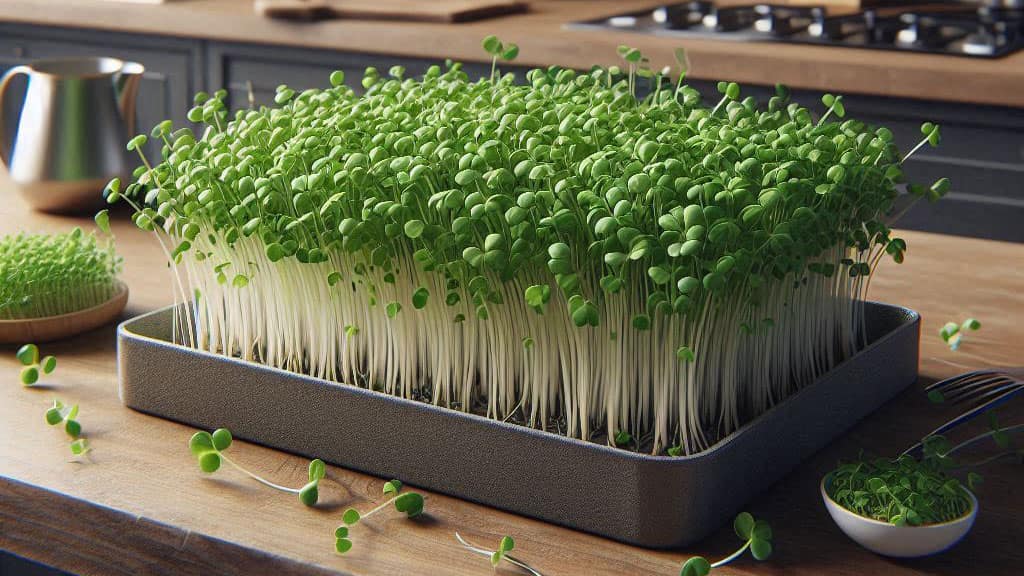
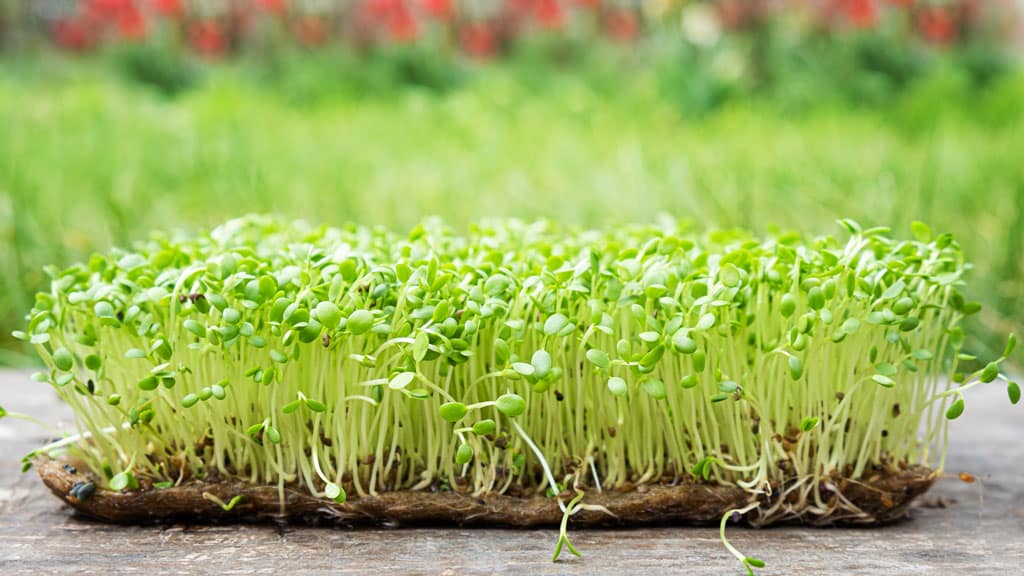
Microgreens are the young shoots of herbs and vegetables. They are harvested when the first pair of small leaves form on the stems. This happens on average 12-14 days after planting. The sprout itself can reach 5-7 cm in height.
The flavour of microgreens is the same as that of a mature crop. For example, if you eat radish shoots, they will taste similar to the vegetable itself.
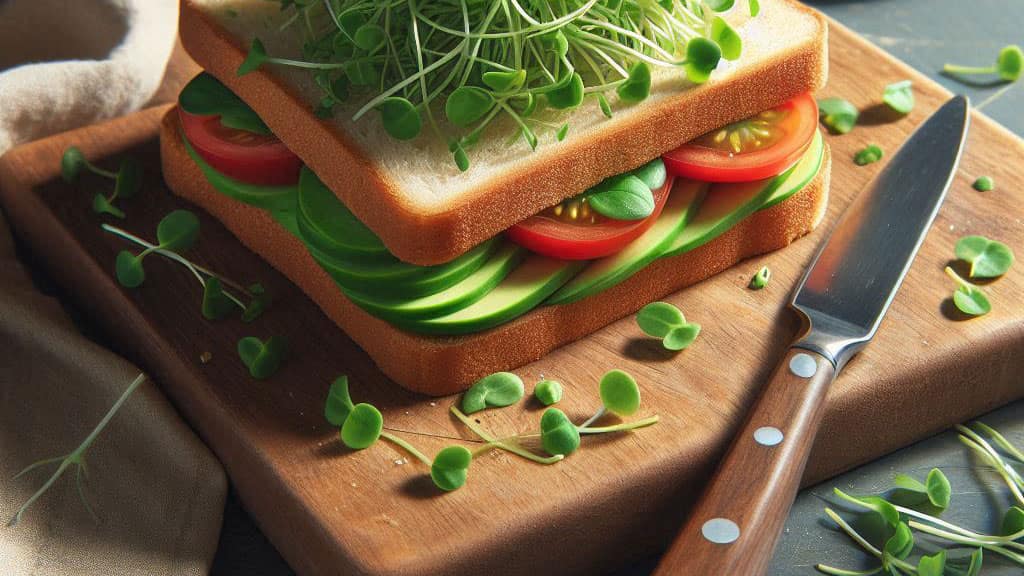
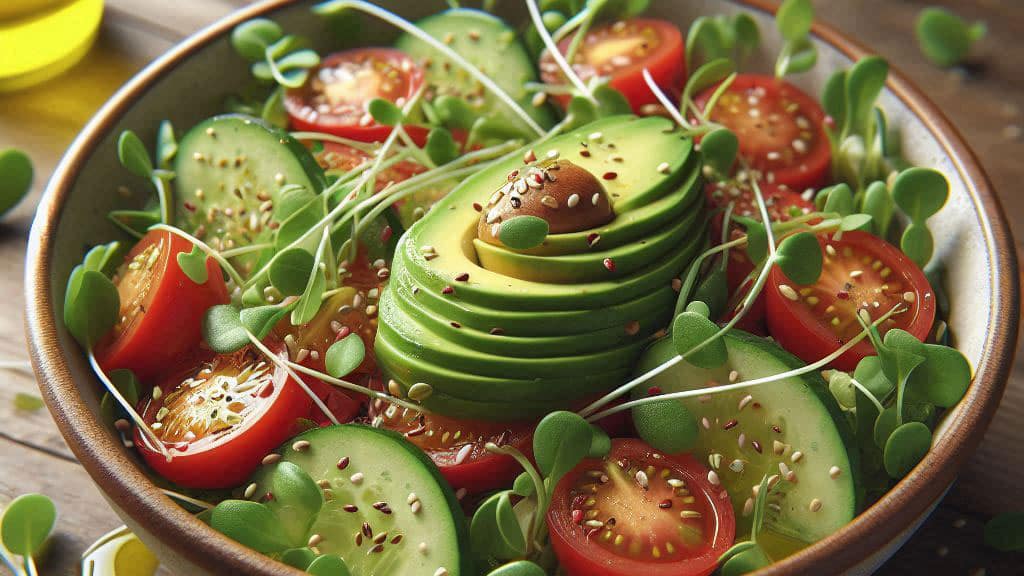
Microgreens are very useful: they are full of vitamins and carotenoids. It can be eaten just like that, added to salads, sandwiches, smoothies and other dishes.
There is no unambiguous answer. Some sources state that the crop can be grown from ordinary gardening seeds. Other articles note: such material is treated with fungicides and insecticides.
Their concentration is safe if you eat mature fruits, but these substances can harm if you eat small sprouts. Therefore, you need to make sure that the seeds have not been treated – manufacturers indicate this information on the packaging. Another option: buy only those that are intended for microgreens.
More than 80 herbs and vegetables are suitable for growing greens. Here are a few examples:
Remember the rule: crops whose sprouts are inedible are not suitable for microgreens. For example, aubergine, tomato and pepper sprouts can cause poisoning in humans. Beans are also toxic, and pumpkin sprouts are bitter.
Also keep in mind that large seeds are soaked before planting: this helps soften the shell. And the sprout will eventually emerge more quickly. For example, coriander and coriander are kept in water overnight, and barley, oats or alfalfa – 1-2 hours. But basil and rucola do not need to soak.
Sprouts need at least 6 hours of natural sunlight a day. Some crops, such as sunflowers, may need more. So don’t choose a window sill or balcony that faces a shady side for seedlings. If this is not possible, consider buying an LED lamp for seedlings. Under it, gardeners recommend keeping the plants at least 12 hours a day.
The optimum temperature for microgreens is 18-24 °C. If the room is warmer, the seeds of some crops may not ripen. If it is cooler, they may take longer to germinate.
You can use a special germination device to plant microgreens. Varieties of this device is quite a lot, but each manufacturer attaches instructions to each. So it will not be difficult to understand the process. If you do not have a germinator and do not want to buy it, you can grow a crop with the help of improvised means.
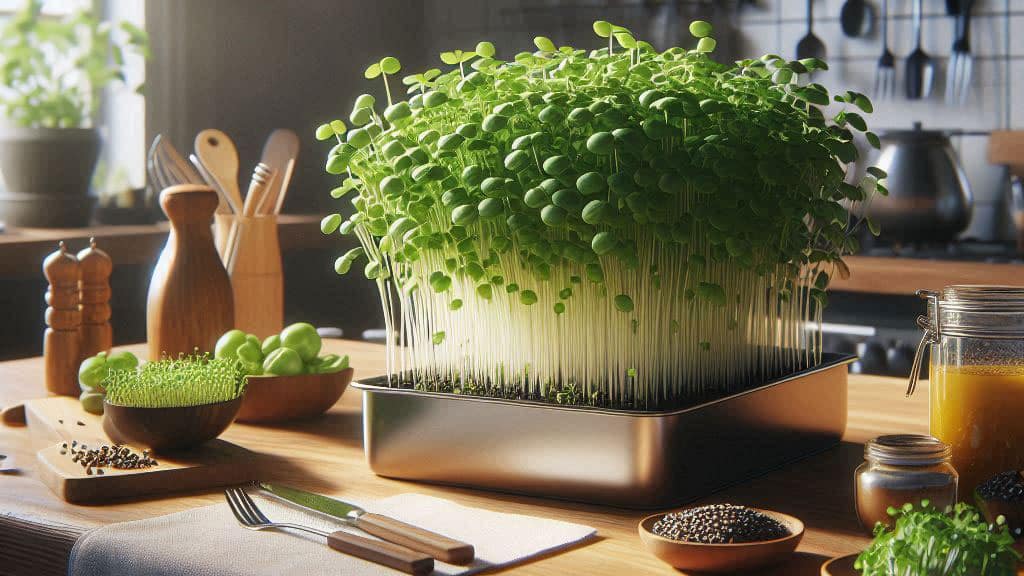
Wet the paper towels and then wring them well. If the material is too dry, microgreens will not grow. If it is too wet, mould will appear.
Fold the towels into several layers and place them in the bottom of the container. Spoon the seeds gently and without pressure over the surface. Spray them with spray and cover with a clean towel.
Place the container in a dark place. This will help mimic the natural conditions in the ground. After about 24 hours, the sprouts should sprout. Check the seedlings periodically. If the towel seems too dry, add water with a sprayer.
After sprouting, expose the microgreens to light to start the photosynthesis process. Leaves that may have appeared pale yellow will begin to turn green. Add water to the towel as needed.
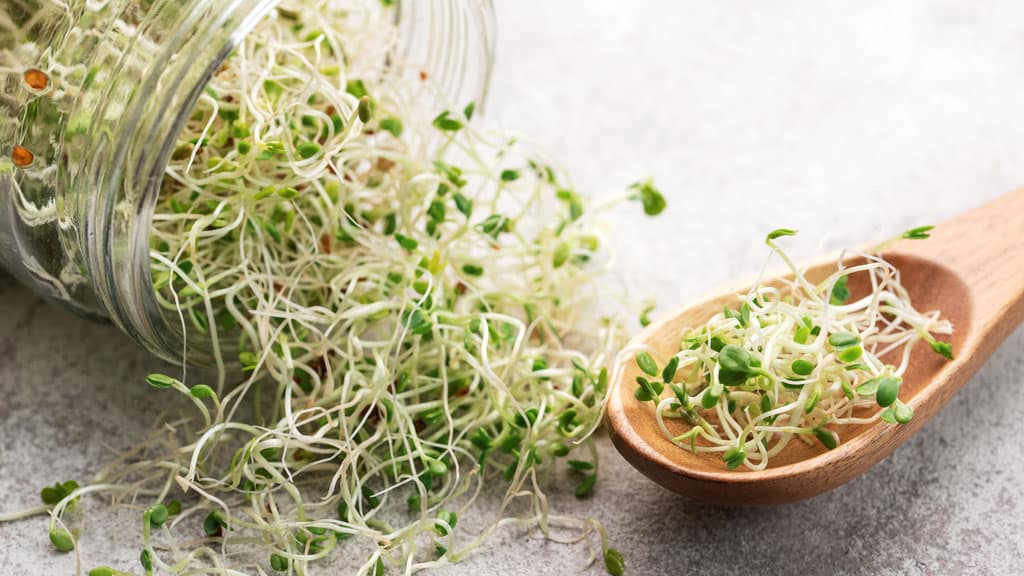
Pour the seeds into the jar and fill it with a small amount of water. Place gauze or a piece of cloth over the neck. Secure with a rubber band or string. Wait until sprouts begin to sprout from the seeds and immediately drain the liquid. Gently rinse the sprouts and put them back in the container.
Cover the container with a cloth and place it at a 30° angle, resting it against something. This will help the excess liquid to drain out. Rinse the grains every day to wash off the slime.
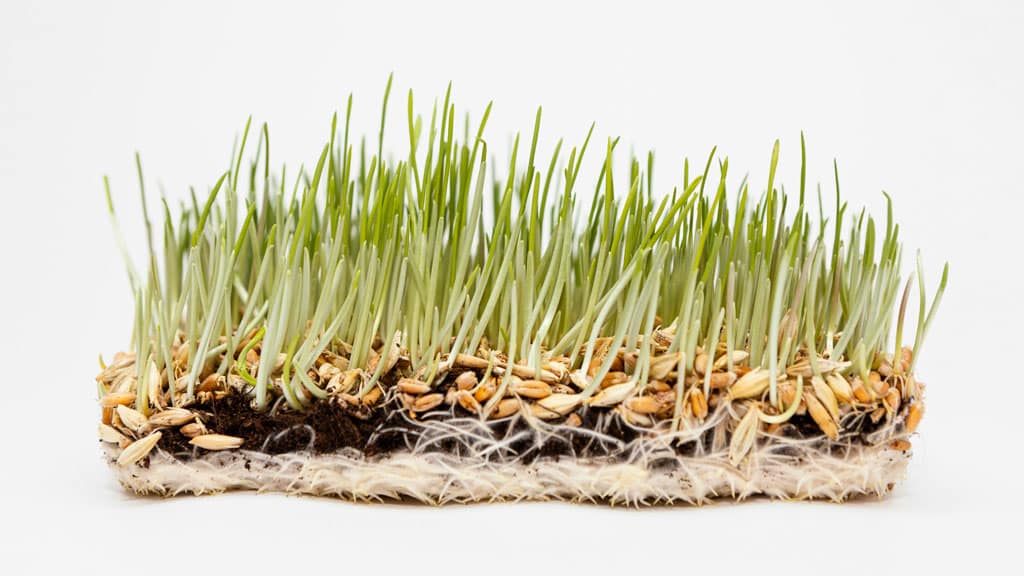
Fill the container with the soil and then smooth the soil. Spread the seeds as indicated on the packet. If there are no instructions, plant them at least 3 mm apart. Sprinkle a thin layer of soil on top.
Gently but abundantly water the seedlings and then place them in the light. Several times a day spray the sprouts with a sprayer.
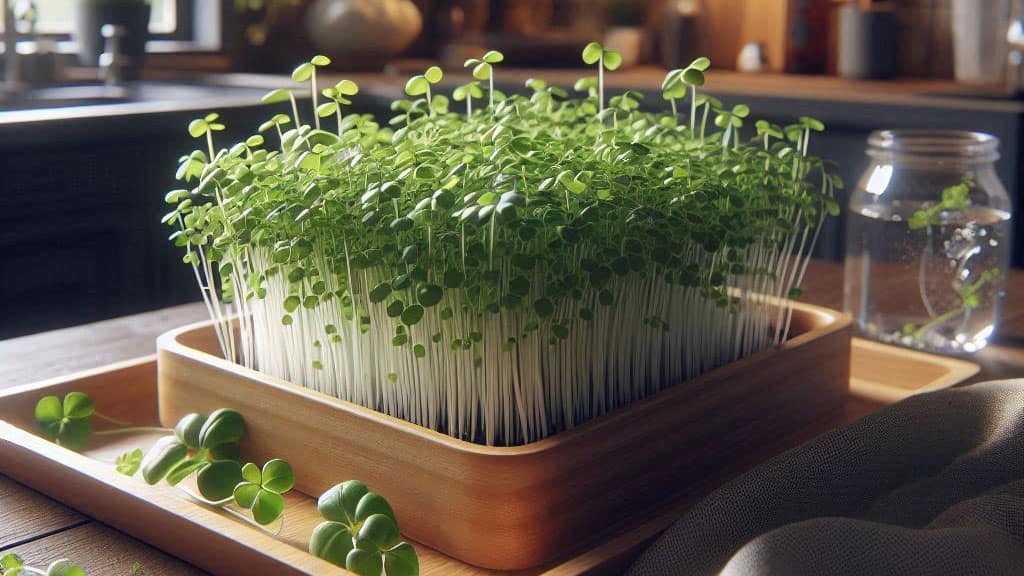
The substrate is sold in the form of briquettes and mats. There is also a loose version. Briquettes should be soaked and loosened, and then placed in a container. And mats should be cut with scissors to fit the size of the container.
Soak the material in water, and then let the liquid drain. Put it in a tray. Distribute the seeds over the area of the substrate. If the package indicates the distance to be observed when planting, follow the recommendations. If not, try not to place the seeds too close together – at least 3mm between them.
Cover the container with a lid or put it in a dark place. Try not to check the seeds more often than once every 12 hours. After five days, place the tray in the light. From this point on, the microgreens can be watered. Add water to the substrate, not to the sprouts themselves.
The main thing is not to let the soil or soil substitute dry out. Do not use water with a high chlorine content for watering: it can cause the microgreen to turn yellow. If you are not sure about tap water, use bottled water.
Avoid water that is too cold. The optimum temperature is 10-15 °C. The maximum is 21 °C. Hotter water can harm the seedlings.
If weeds appear on the soil, pull them out. Then the microgreens will not compete for nutrients with other plants. Pests on the sprouts are almost never found: they simply do not have time to attack the seedlings.
It’s a fairly simple process, but if you’re expecting a harvest for the first time, you may run into trouble. Here are the most common ones:
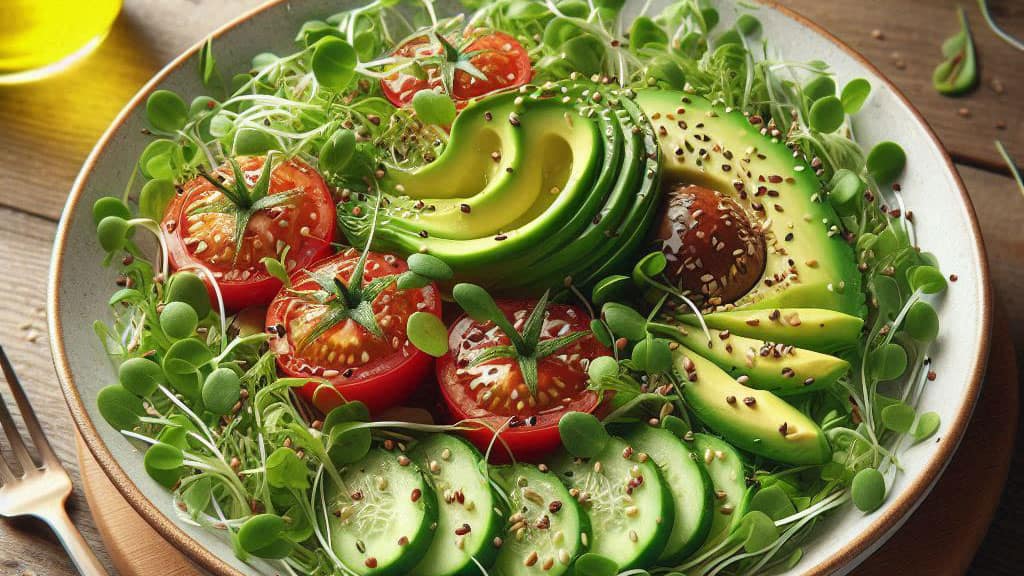
When the sprouts reach the desired length, cut them off with scissors or a blade at the root. Rinse the crop with running water and add to food.